


Breaking Barriers with BNATCS
The FAA's Brand New Air Traffic Control System is Transforming Aviation Safety and Efficiency
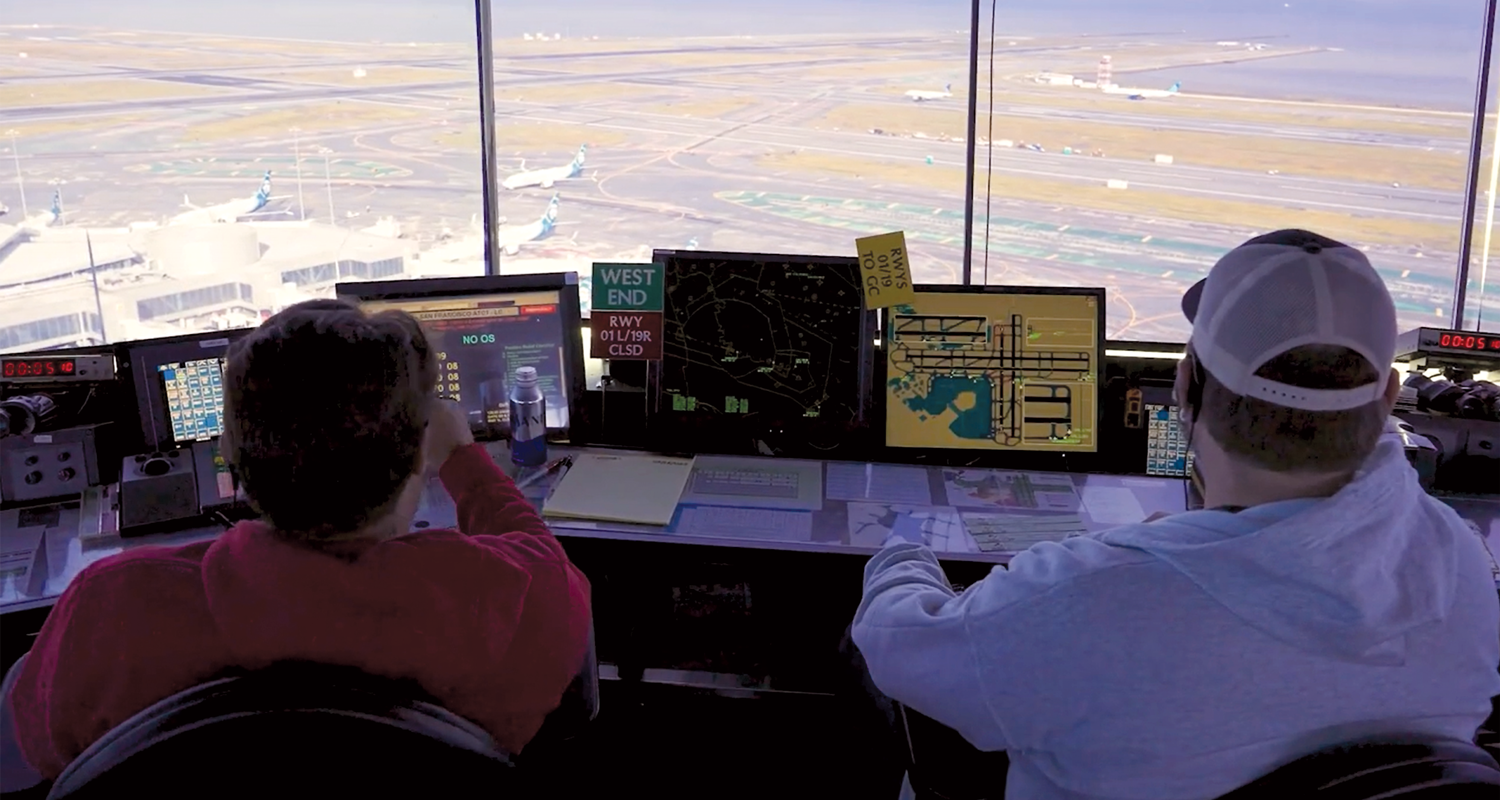
The FAA’s deployment of a Brand New Air Traffic Control System (BNATCS) is bringing modern tools and tech to air traffic controllers while strengthening the reliability and sustainability of U.S. aviation infrastructure. The general aviation (GA) community is a key beneficiary.
Modernizing communications, surveillance, automation, FAA facilities, and support for Alaska’s airspace are all part of the historic infrastructure project. Thanks to Congress’s commitment to this endeavor and the $12.5 billion investment received through the Working Families Tax Cuts Act, the agency has made significant progress in record time. Let’s look at some of the ways building a brand-new air traffic control system will help increase GA safety across the nation.
Surface Management Tools
The Surface Awareness Initiative (SAI) gives controllers a clearer picture of where all aircraft are located on the airfield — a big boost for runway safety. As of July 31, the FAA has installed SAI at more than 95 of the 220 airports in the agency’s plan.
Van Nuys Airport in Southern California is one of the busiest GA airports in the country — with 900 to 1,400 takeoffs and landings per day, many from flight schools on the airport property. Tower controllers are benefitting from the SAI unit that the FAA integrated into their tower cab last fall. Controllers’ visual scanning of the airfield goes hand in hand with SAI, which shows targets of aircraft and vehicles transmitting Automatic Dependent Surveillance-Broadcast (ADS-B) Out on surface movement areas.
Van Nuys Air Traffic Manager Chris Bellmas noted the approach end of the airport’s long runway is difficult to see from the tower. While binoculars are helpful, a high volume of aircraft lined up on both sides of the runway makes surface management complicated.
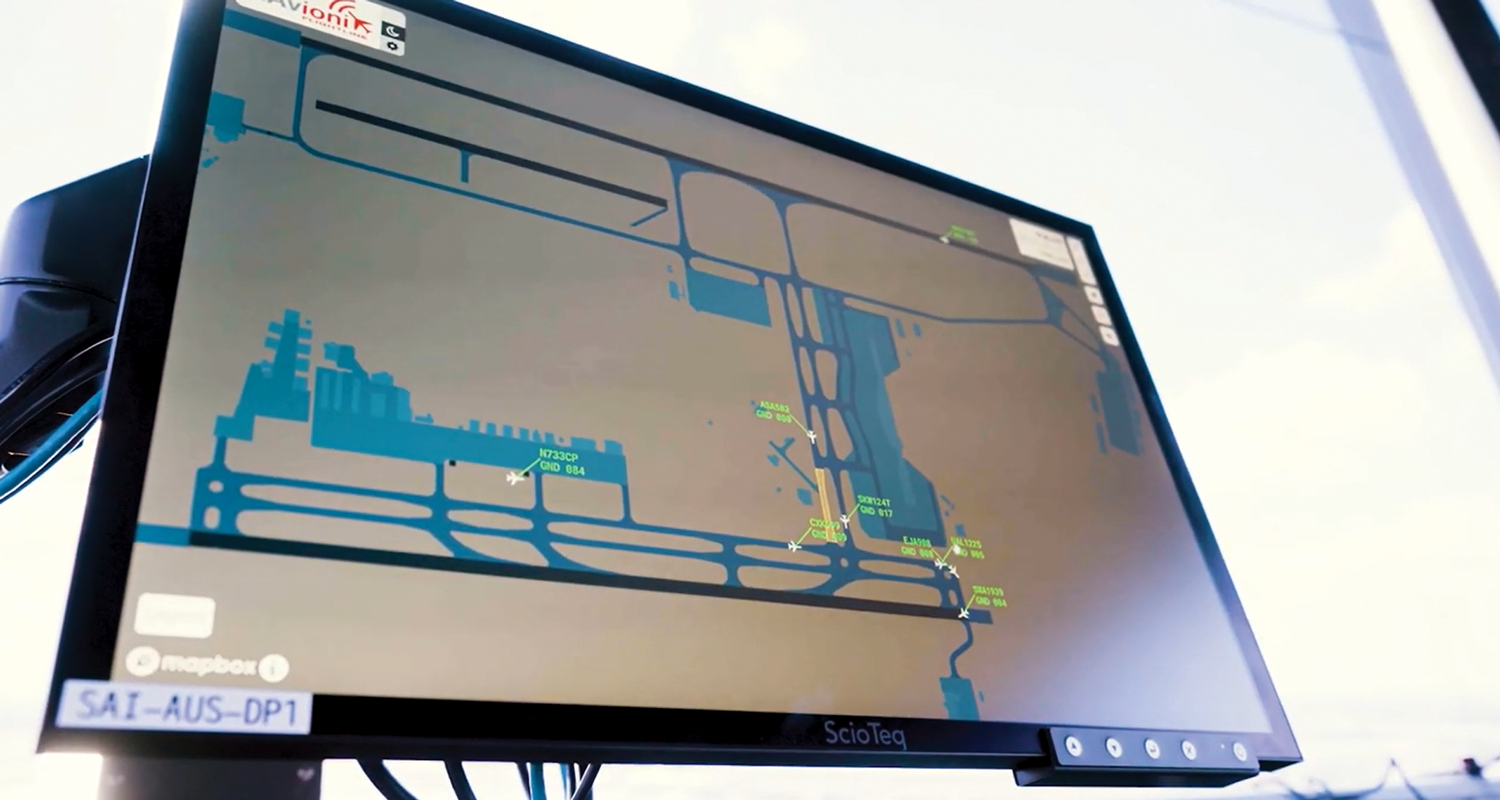
“The SAI adds a whole other layer of protection and a very comprehensive one,” Bellmas said. “Utilizing it ensures that you know exactly where that aircraft is. You can clearly see on the screen now that that aircraft is calling up for the correct position. You can look and see out the window and correlate. And when a pilot reports their position, which could be incorrect, we can check that on the SAI screen.”
Digital Radios and Voice Switches
Clear communication is key to safe aviation, so upgrading communications systems is a focal point of the BNATCS project.
The FAA is replacing 27,000 analog radios across 1,581 sites to enable digital communication between pilots and air traffic controllers. This includes hundreds of GA airports, where controllers and pilots will be able to communicate with less interference and higher fidelity.

The agency has deployed more than 145 of the 450 planned digital voice switches as of July 31 that controllers use to change frequencies — replacing the aging systems of manual buttons and analog patch boards. These new digital voice switches give controllers faster, more reliable access to pilots and controllers at other facilities — working in conjunction with the digital radios. Improving sustainability of the system is another important reason for the analog-to-digital cutover.
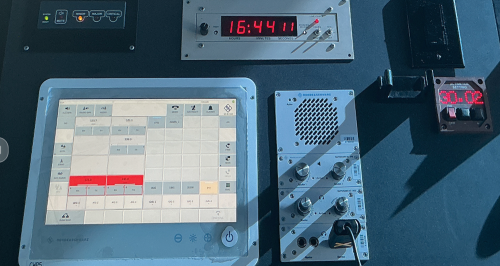
“We can’t sustain our old system,” said Kevin Inouye, who oversees FAA aviation equipment modernization projects in San Diego. “Imagine trying to replace the screen of an iPhone 7. Where are you going to find one? That’s what it’s like trying to sustain our radios and other old equipment. By modernizing the whole system, we can sustain it and maintain it for years to come.”
The FAA is also replacing voice switches dating back to the 1990s at Alaska flight service stations. The Alaska Automation Capability project under BNATCS will deliver digital switches and all new consoles with cloud-based software to help flight service specialists reliably and efficiently give pilots the information they need to plan flights and fly safely.
“We have such old equipment that we used tin foil at one point to reduce interference; that kind of helped push the project forward,” said the Alaska Automation Capability lead, Robyne Schroeder. “And we’re replacing very old consoles too. This is an important upgrade for flight service and pilots in Alaska.”
Weather Cameras and Observing Systems
Another essential component to safe flying is pre-flight planning, and a big part of that is severe weather avoidance.
That’s why the FAA is expanding its weather camera network in Alaska, Hawaii, and the Northern Mariana Islands under the BNATCS initiative. FAA weather cameras give pilots clear and timely images of weather conditions to help them safely reach their destinations.
The FAA is adding 64 new camera sites by the end of 2028. As of July 31, the FAA has installed nine of the 64.
The agency is also implementing a new technology called the Visual Weather Observation System, or VWOS, for areas with inadequate or no weather information. VWOS provides both visual and textual weather data to pilots in near-real time. The FAA has started installing them in remote areas of Alaska, with six sites installed as of July 31 out of 60 total systems to be deployed by the end of 2028. These weather observation sites and cameras are critical for general aviation safety by giving pilots the information they need to make the go/no-go decision or to avoid bad weather. And in Alaksa, situational awareness for the pilots translates to the well-being of villagers.
“In these remote villages, an airplane is the only way in and out. So, if there’s no weather information, no one is getting in there,” said Cohl Pope, the FAA’s weather camera program manager. “Pilots rely on information from our weather cameras to make flight decisions to deliver food, medicine, and the things people need to survive in remote villages.”

The FAA is managing more than 200,000 GA aircraft annually, and every day, pilots and air traffic controllers work together to rely on clear communication, shared situational awareness, and mutual trust to keep the National Airspace System running safely and efficiently. Investing in modern technology strengthens that partnership, equipping both pilots and controllers with better tools to enhance safety and improve efficiency. As the nation modernizes its air traffic control infrastructure, these transformative upgrades are only the beginning.
Learn More