


Cleared for Takeoff Blog
From safety oversight to technology innovations, the FAA Blog shares insights that keep the public and aviation community informed about how we're keeping the nation's skies safe.
Flying Into the Future
Published:

FAA Administrator Bryan Bedford talks about the future of flight. "As a pilot with more than three decades in this industry, I know firsthand the weight of our shared responsibility."
Published:
FAA Administrator Bryan Bedford talks about the future of flight. "As a pilot with more than three decades in this industry, I know firsthand the weight of our shared responsibility."
Keeping the Skies Safe for Every Pilot, Passenger, and Future Aircraft
Published:

From the flight deck of a Boeing 747 to the cutting edge of advanced air mobility, Laurie Armetta’s aviation journey is driven by a profound love for aircraft and an unwavering commitment to safety.
Published:
From the flight deck of a Boeing 747 to the cutting edge of advanced air mobility, Laurie Armetta’s aviation journey is driven by a profound love for aircraft and an unwavering commitment to safety.
Supporting the Next Generation of Pilots
Published:

FAA update on disclosing a mental health condition and treatment.
Published:
FAA update on disclosing a mental health condition and treatment.
Know the Rules Before Operating Drones Over People
Published:

Remote pilots may not operate over people, for any duration, unless they have a category-compliant drone or a waiver. Learn how to avoid swift consequences from the FAA, alongside potential state and local law enforcement interventions.
Published:
Remote pilots may not operate over people, for any duration, unless they have a category-compliant drone or a waiver. Learn how to avoid swift consequences from the FAA, alongside potential state and local law enforcement interventions.
Aircraft Maintenance Under Remote Control
Published:

When it comes to safety and maintenance efficiency, one key aspect is the ability to accurately diagnose and address aircraft faults. Understanding new technologies in aircraft system diagnosis methods and airplane fault detection techniques is crucial for ensuring reliable and safe operations.
Published:
When it comes to safety and maintenance efficiency, one key aspect is the ability to accurately diagnose and address aircraft faults. Understanding new technologies in aircraft system diagnosis methods and airplane fault detection techniques is crucial for ensuring reliable and safe operations.
Flight Path to a Just Culture
Published:

SMS implementation marks a deliberate move toward a proactive, data-driven approach to helicopter safety. It formalizes processes to ensure hazards are identified early and addressed systematically rather than reactively.
Published:
SMS implementation marks a deliberate move toward a proactive, data-driven approach to helicopter safety. It formalizes processes to ensure hazards are identified early and addressed systematically rather than reactively.
Intelligent Technologies in Aviation
Published:

Access to useful machine intelligence tools has never been more widespread, and these tools are becoming increasingly useful by the day. They are being used more and more in place of search engines and for researching topics by some users. What does that mean in the aviation world?
Published:
Access to useful machine intelligence tools has never been more widespread, and these tools are becoming increasingly useful by the day. They are being used more and more in place of search engines and for researching topics by some users. What does that mean in the aviation world?
Breaking Barriers with BNATCS
Published:

Let’s look at some of the ways building a brand-new air traffic control system will help increase GA safety across the nation. The FAA’s deployment of a Brand New Air Traffic Control System (BNATCS) is bringing modern tools and tech to air traffic controllers while strengthening the reliability and sustainability of U.S. aviation infrastructure.
Published:
Let’s look at some of the ways building a brand-new air traffic control system will help increase GA safety across the nation. The FAA’s deployment of a Brand New Air Traffic Control System (BNATCS) is bringing modern tools and tech to air traffic controllers while strengthening the reliability and sustainability of U.S. aviation infrastructure.
The Architects of Innovation
Published:
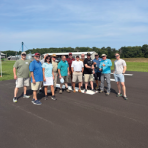
The FAA's Emerging Technologies Division serves as one of the agency's primary architects for normalizing advanced operations and new entrants. Learn about the division’s complex yet vital mission is to ensure innovation flourishes without compromising a century of American safety standards.
Published:
The FAA's Emerging Technologies Division serves as one of the agency's primary architects for normalizing advanced operations and new entrants. Learn about the division’s complex yet vital mission is to ensure innovation flourishes without compromising a century of American safety standards.
The Future of Aircraft Propulsion
Published:

Propulsion technology in GA has advanced less rapidly than in commercial aviation, but with new technologies on the horizon, general performance may be changing to our benefit. Learn how new and different form factors may now move from science fiction to science fact.
Published:
Propulsion technology in GA has advanced less rapidly than in commercial aviation, but with new technologies on the horizon, general performance may be changing to our benefit. Learn how new and different form factors may now move from science fiction to science fact.