


Keeping Aviation’s Slow, Low and Beautiful Element Safe

Every October, the sight of hundreds of colorful balloons rising in glorious blue skies above New Mexico’s picturesque landscape is one of the world’s most photographed events. This year, 851,994 people attended the Albuquerque International Balloon Fiesta, the world’s largest balloon event, held annually since 1972.
Under close FAA oversight, the 2025 fiesta — involving 537 hot-air balloons, 651 registered pilots and 90 remote-controlled balloons — was also a paragon of safety. The FAA plays an important role in ensuring the fiesta’s safety for pilots, passengers and spectators, and for promoting balloon safety nationwide.
“From the planning stages through the last landing, our job is to work side by side with organizers and pilots to spot hazards before they ever become accidents,” says Aviation Safety Inspector Mike Millard. “We look at weather, airspace, launch and landing procedures, and crowd management as one integrated system, and then use what we learn here to strengthen balloon safety at events across the country."
Balloon events are managed by the FAA’s National Aviation Events Program run by the FAA’s General Aviation and Commercial Division. With support from Flight Standards District Offices, balloon event sponsors apply for a Certificate of Waiver (CoW) for their event that allows for pilots to benefit from more favorable winds and a greater level of freedom in flight to maneuver safely. Through the CoW process, the FAA issues necessary temporary flight restrictions and NOTAMs to provide for NAS safety.
In addition, events like the fiesta are guided each year by a “Balloon Event Manual” that the FAA reviews months in advance. It details safety responsibilities for the “balloonmeister” or flight director, including making a launch decision based on inputs from a weather officer and safety officer, and ensuring the launch area is cleared of spectators with the help of black- and white-striped shirted launch directors, or “zebras.”
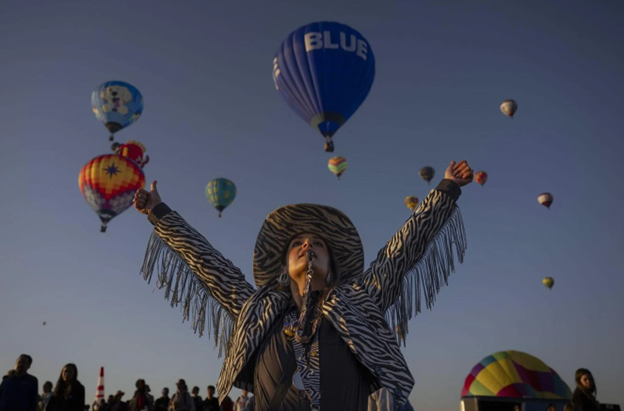
“We have inspectors looking at the balloons from an airworthiness perspective and making sure that their envelope is good, that their inspections are signed off and that they have their instrumentation,” says Millard, whose FAA career began as an inspector overseeing balloon repair stations. He adds the FAA takes advantage of big events like the Fiesta to provide balloon operator seminars on trending safety subjects.
Last year he presented on several topics, including the growing use of balloons for skydiving activities. He emphasized the need for balloon pilots to manage the timing of skydivers’ exits to maintain the balloon's stability. Millard has previously given safety presentations at the annual convention of the Balloon Federation of America and has answered questions from members of the balloon industry at these events.
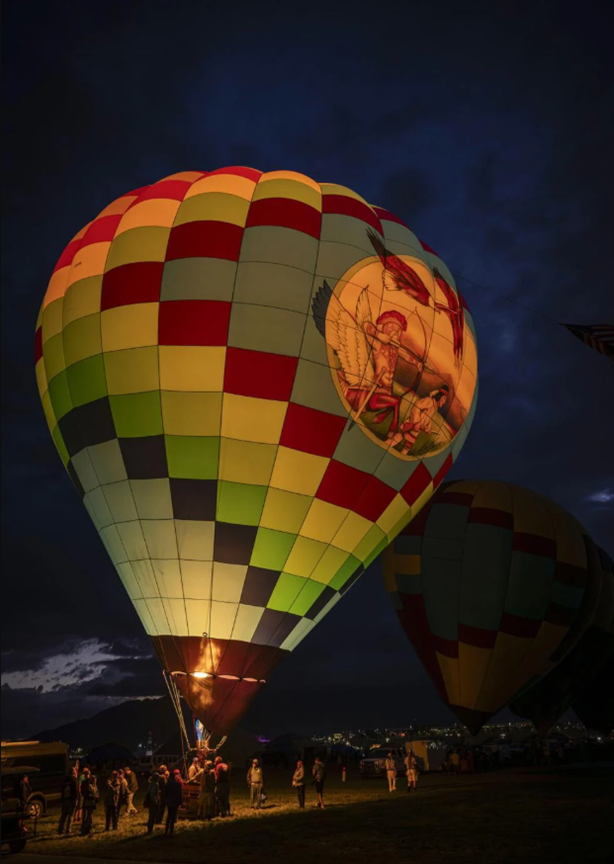
Millard notes that due to a strong FAA emphasis of balloon safety in coordination with the industry and balloon event organizers, there have been no hot-air balloon fatalities in 2025 in the U.S. Recent balloon safety improvements include the 2022 FAA rule mandating that commercial balloon pilots hold a second-class medical certificate, the same standard required for other commercial pilots. Last year saw the first revision since 2008 in the FAA’s Balloon Flying Handbook (FAA-H-8083-11B). And Millard notes the FAA Safety Team (FAASTeam) WINGS Pilot Proficiency Program has developed six courses available at faasafety.gov specific to hot-air balloons that cover topics such as decision making, maintenance, weather, avoiding power lines and tipping the balloon basket over during landings.
Millard took his first balloon flight in 1986 at the Battle Creek Michigan Balloon Festival while working with the U.S. Air Force Thunderbirds. He says one of the most valuable recent safety enhancements for balloon pilots is the broad range of weather and flight-planning tools now available. These include winds-aloft apps, balloon-specific planning software, and integrated decision-support platforms that display winds and other environmental conditions at multiple altitudes before launch.
“When pilots can actually visualize how the winds are behaving aloft, they can make an informed decision to cancel or delay a flight if the winds are too strong or unstable, recognizing that it simply won’t be a good time for everyone to fly,” he says.
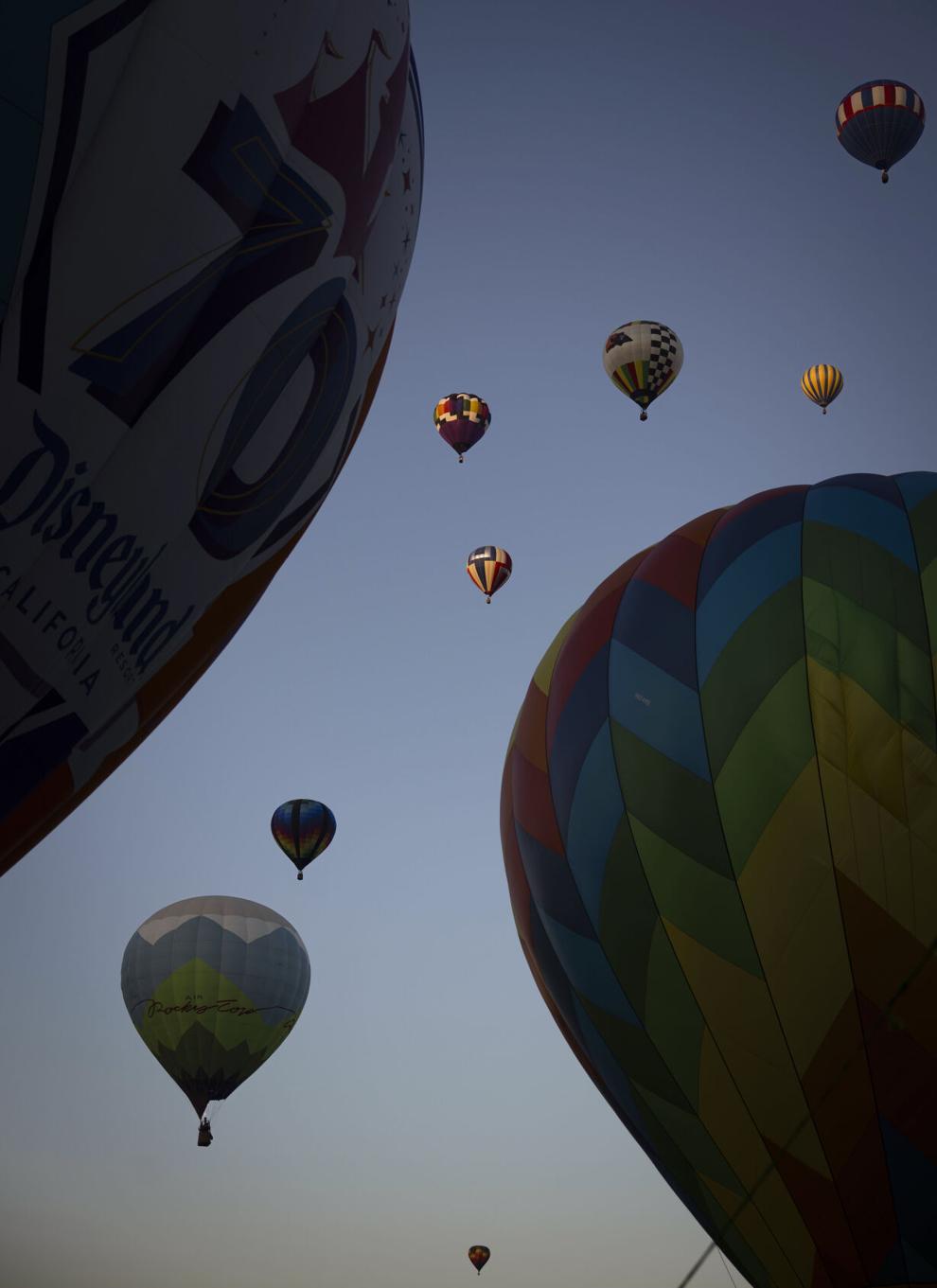
A growing safety consideration for ballooning, Millard says, is the increasing use of drones, including operations conducted beyond visual line of sight (BVLOS). He explains that many drones depend on visual line of sight observation or limited detect and avoid capabilities. If a balloon has no transponder, Automatic Dependent Surveillance-Broadcast (ADS-B), or other electronic conspicuity equipment, it may not be visible to the drone operator or to the systems supporting that operation.
“That’s an issue out there,” he says, noting that balloons with non-metal envelopes and minimal reflective surfaces may be difficult for some sensors to detect. Millard encourages both balloon and drone communities to remain vigilant and coordinate when possible, recognizing that they often share the same low-altitude airspace.
With “guidance, courses and publications going out regularly” and through “strong work with our industry partners,” Millard hopes that ballooning will maintain its reputation as a safe and enjoyable form of recreational aviation.
“The safety resources and courses are out there,” Millard says. “Use them.”