


Cleared for Takeoff Blog
From safety oversight to technology innovations, the FAA Blog shares insights that keep the public and aviation community informed about how we're keeping the nation's skies safe.
Aeromedical Advisory: A Pilot’s Guide to Hypothermia and Hyperthermia
Published:

Since the topic of this issue is weather, a refresher on hypothermia (body temperature too low) and hyperthermia (body temperature too high) seems appropriate. Although the relative risk of one versus the other certainly varies with the season, both are potential year-round concerns.
Published:
Since the topic of this issue is weather, a refresher on hypothermia (body temperature too low) and hyperthermia (body temperature too high) seems appropriate. Although the relative risk of one versus the other certainly varies with the season, both are potential year-round concerns.
Nuts, Bolts & Electrons: A Guide to Post-Storm Airframe Integrity and Corrosion Risks
Published:

Atmospheric conditions are the primary drivers of aircraft structural degradation. After a severe weather event or prolonged exposure to coastal and/or polluted environments, a standard pre-flight check is insufficient. Instead, look for latent defects that compromise flight safety.
Published:
Atmospheric conditions are the primary drivers of aircraft structural degradation. After a severe weather event or prolonged exposure to coastal and/or polluted environments, a standard pre-flight check is insufficient. Instead, look for latent defects that compromise flight safety.
On Final: On the Winds of Change
Published:

Weather is an important and ever-present factor in aviation, influencing flight paths and how pilots shape their operational strategies. Its dynamic nature is a reminder that change is an integral part of a pilot’s environment. In that same vein, the FAA Safety Briefing magazine is currently embracing a few changes to better serve our community of aviators and technicians.
Published:
Weather is an important and ever-present factor in aviation, influencing flight paths and how pilots shape their operational strategies. Its dynamic nature is a reminder that change is an integral part of a pilot’s environment. In that same vein, the FAA Safety Briefing magazine is currently embracing a few changes to better serve our community of aviators and technicians.
Jumpseat: Sharpening Your Summer Safety Weather Skills: ‘A Pilot’s Guide to Weather’ Magazine Issue
Published:

Summer flying is upon us, and with it, the skies grow even busier. As pilots prepare their aircraft and plan their flights, we highlight the importance of weather awareness and its critical role in ensuring a safe flight.
Published:
Summer flying is upon us, and with it, the skies grow even busier. As pilots prepare their aircraft and plan their flights, we highlight the importance of weather awareness and its critical role in ensuring a safe flight.
Vertically Speaking: Beware of the Green Dot Syndrome
Published:
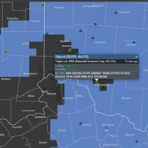
A quick glance at the weather for a short night flight shows green dots at both the departure and destination — good to go right? The color categories are based on the lowest ceilings, not the lowest overall cloud layer. That means only broken or overcast layers are used to determine the ceiling and corresponding flight category — scattered and few layers do not count.
Published:
A quick glance at the weather for a short night flight shows green dots at both the departure and destination — good to go right? The color categories are based on the lowest ceilings, not the lowest overall cloud layer. That means only broken or overcast layers are used to determine the ceiling and corresponding flight category — scattered and few layers do not count.
The Weather Plan You Never Write Down: Understanding Flight Plans, Flight Following, and Search-and-Rescue Services
Published:
Most pilots are great at planning the flight they intend to fly. Pilots look at the weather, choose a route and altitude that make sense, pick a reasonable departure time … and sometimes file a flight plan. But sometimes they don’t. If the weather looks marginal, pilots will glance through alternates and maybe even write down a few airport codes. Even if all looks good, they still check for the usual trouble spots — TAFs (terminal aerodrome forecasts), radar, NOTAMs (Notices to Airmen), etc. It’s a familiar rhythm, and for most flights, it works just fine.
Published:
Most pilots are great at planning the flight they intend to fly. Pilots look at the weather, choose a route and altitude that make sense, pick a reasonable departure time … and sometimes file a flight plan. But sometimes they don’t. If the weather looks marginal, pilots will glance through alternates and maybe even write down a few airport codes. Even if all looks good, they still check for the usual trouble spots — TAFs (terminal aerodrome forecasts), radar, NOTAMs (Notices to Airmen), etc. It’s a familiar rhythm, and for most flights, it works just fine.
Too Much Weather: How to Choose Which Resource to Use and When
Published:

As it turns out, certain types of weather products are best suited to particular windows of time ahead of a flight. Here, just in time for the next “mail run,” is a time-to-flight guide to weather products.
Published:
As it turns out, certain types of weather products are best suited to particular windows of time ahead of a flight. Here, just in time for the next “mail run,” is a time-to-flight guide to weather products.
Silver Linings, Silver Bullets, and Other Fictions: Avoiding VFR Flight Into Instrument Weather
Published:

Flying under visual flight rules (VFR) is a great way to experience general aviation (GA). VFR offers a sense of freedom that many pilots prize. So long as the weather cooperates, pilots can fly VFR from one end of the country to another. VFR flying allows a more flexible, less rigid approach than instrument flight rules (IFR). In some cases, VFR flexibility can offer advantages over IFR, even when the weather deteriorates, and air traffic control (ATC) procedures may restrict operations. While they are edge cases, these circumstances do exist. And some pilots prefer to hold complete control...
Published:
Flying under visual flight rules (VFR) is a great way to experience general aviation (GA). VFR offers a sense of freedom that many pilots prize. So long as the weather cooperates, pilots can fly VFR from one end of the country to another. VFR flying allows a more flexible, less rigid approach than instrument flight rules (IFR). In some cases, VFR flexibility can offer advantages over IFR, even when the weather deteriorates, and air traffic control (ATC) procedures may restrict operations. While they are edge cases, these circumstances do exist. And some pilots prefer to hold complete control...
Beyond the Briefing: Navigating the Physics-Based Traps of Wild Weather
Published:

While the mantra “don’t fly in bad weather” is sound advice in theory, the reality of the cockpit is often much more complex. Weather is dynamic; it evolves faster than the standard briefing cycle can refresh.
Published:
While the mantra “don’t fly in bad weather” is sound advice in theory, the reality of the cockpit is often much more complex. Weather is dynamic; it evolves faster than the standard briefing cycle can refresh.
Mitigating Airport Risks from Foreign Object Debris
Published:

Foreign Object Debris (FOD) can cause catastrophic damage to aircraft that are landing or taking off, and its removal is a critical safety element of airport safety and operations.
Published:
Foreign Object Debris (FOD) can cause catastrophic damage to aircraft that are landing or taking off, and its removal is a critical safety element of airport safety and operations.