


Cleared for Takeoff Blog
From safety oversight to technology innovations, the FAA Blog shares insights that keep the public and aviation community informed about how we're keeping the nation's skies safe.
Drone Debrief: Eyes in the Sky – For Safety
Published:
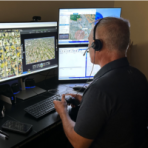
It was August 2024 in Queens, New York, when a terrifying scenario unfolded. A trio of armed invaders forced their way into a home and held several residents against their will. Fortunately, one resident managed to call 911, and a unit responded with a special helper — in the sky.
Published:
It was August 2024 in Queens, New York, when a terrifying scenario unfolded. A trio of armed invaders forced their way into a home and held several residents against their will. Fortunately, one resident managed to call 911, and a unit responded with a special helper — in the sky.
Nuts, Bolts & Electrons: A Guide to Post-Storm Airframe Integrity and Corrosion Risks
Published:
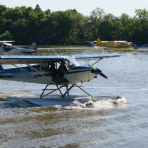
Atmospheric conditions are the primary drivers of aircraft structural degradation. After a severe weather event or prolonged exposure to coastal and/or polluted environments, a standard pre-flight check is insufficient. Instead, look for latent defects that compromise flight safety.
Published:
Atmospheric conditions are the primary drivers of aircraft structural degradation. After a severe weather event or prolonged exposure to coastal and/or polluted environments, a standard pre-flight check is insufficient. Instead, look for latent defects that compromise flight safety.
Vertically Speaking: Beware of the Green Dot Syndrome
Published:
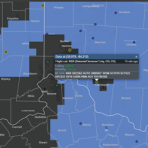
A quick glance at the weather for a short night flight shows green dots at both the departure and destination — good to go right? The color categories are based on the lowest ceilings, not the lowest overall cloud layer. That means only broken or overcast layers are used to determine the ceiling and corresponding flight category — scattered and few layers do not count.
Published:
A quick glance at the weather for a short night flight shows green dots at both the departure and destination — good to go right? The color categories are based on the lowest ceilings, not the lowest overall cloud layer. That means only broken or overcast layers are used to determine the ceiling and corresponding flight category — scattered and few layers do not count.
Mitigating Airport Risks from Foreign Object Debris
Published:

Foreign Object Debris (FOD) can cause catastrophic damage to aircraft that are landing or taking off, and its removal is a critical safety element of airport safety and operations.
Published:
Foreign Object Debris (FOD) can cause catastrophic damage to aircraft that are landing or taking off, and its removal is a critical safety element of airport safety and operations.
FAA Technicians Bring Life to New Air Traffic Control System
Published:
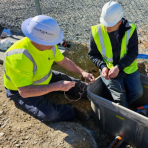
Our brand-new air traffic control system is taking shape, and FAA technicians and engineers are playing a critical role in this massive project. From installing digital radars and flight strips for better flight tracking to deploying new radios and networks for clear, reliable communication, our Tech Ops team is instrumental in the FAA’s effort to create a safer, smoother travel experience for passengers everywhere.
Published:
Our brand-new air traffic control system is taking shape, and FAA technicians and engineers are playing a critical role in this massive project. From installing digital radars and flight strips for better flight tracking to deploying new radios and networks for clear, reliable communication, our Tech Ops team is instrumental in the FAA’s effort to create a safer, smoother travel experience for passengers everywhere.
How the FAA Helped Commercial Spaceflight Take Off
Published:

Smart Regulation Enabled Innovation While Advancing Safety
Published:
Smart Regulation Enabled Innovation While Advancing Safety
Making History Every Step of the Way
Published:

The history she made as a teenager influenced the moral arc of our nation. The history she continued to make as the first leader of the FAA’s Office of Commercial Space Transportation will help extend humanity’s reach throughout the solar system.
Published:
The history she made as a teenager influenced the moral arc of our nation. The history she continued to make as the first leader of the FAA’s Office of Commercial Space Transportation will help extend humanity’s reach throughout the solar system.
A Job Interview that Made History
Published:

How Emily Howell Warner became the first woman commercial airline captain
Published:
How Emily Howell Warner became the first woman commercial airline captain
How Air Shows Propelled Aviation
Published:

After they first created a public sensation, with aerobatic barnstorming performers, air shows today continue to showcase aviation’s great leaps forward. Throughout the nation air show attractions run the gamut from modern military aircraft to old warbirds and bi-planes, radio-controlled aircraft, helicopters and drones with activities such as wing-walking and sky diving adding to the excitement.
Published:
After they first created a public sensation, with aerobatic barnstorming performers, air shows today continue to showcase aviation’s great leaps forward. Throughout the nation air show attractions run the gamut from modern military aircraft to old warbirds and bi-planes, radio-controlled aircraft, helicopters and drones with activities such as wing-walking and sky diving adding to the excitement.
Safe to Launch
Published:

The FAA’s work to support this booming industry and ensure safety of the public – on land, in the air and on the water – is a major undertaking. A key to success is the behind-the-scenes work FAA space transportation safety inspectors perform before flight controllers can say, “We are go for launch.” Here's a look at the top five pre-launch tasks they conduct to keep you safe before every FAA-licensed commercial space launch.
Published:
The FAA’s work to support this booming industry and ensure safety of the public – on land, in the air and on the water – is a major undertaking. A key to success is the behind-the-scenes work FAA space transportation safety inspectors perform before flight controllers can say, “We are go for launch.” Here's a look at the top five pre-launch tasks they conduct to keep you safe before every FAA-licensed commercial space launch.