


Nuts, Bolts & Electrons: A Guide to Post-Storm Airframe Integrity and Corrosion Risks
Atmospheric conditions are the primary drivers of aircraft structural degradation. After a severe weather event or prolonged exposure to coastal and/or polluted environments, a standard pre-flight check is insufficient. Instead, look for latent defects that compromise flight safety.
Hydraulic and Chemical Attack Below the Surface
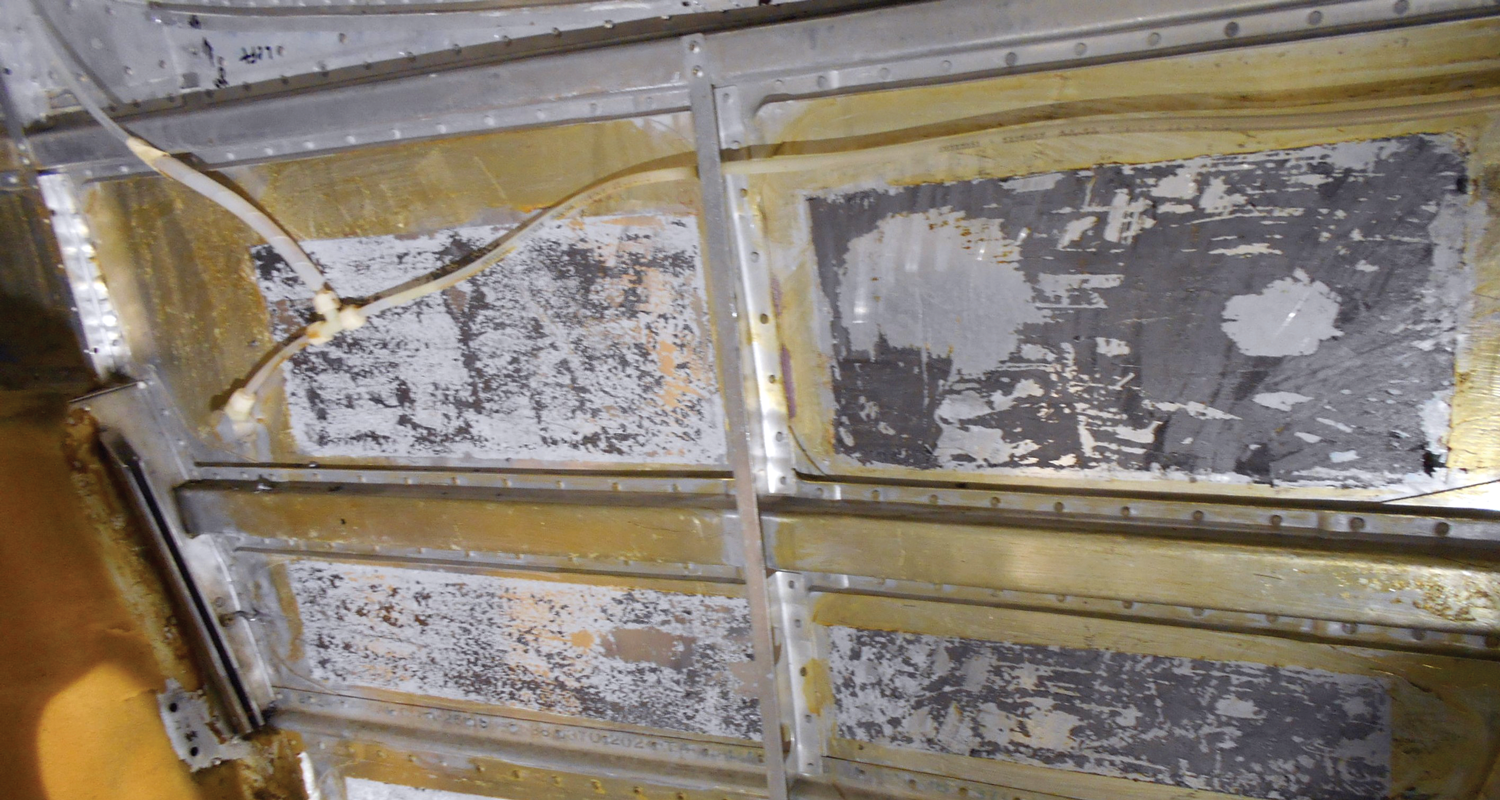
The Electrolyte Factor: Rain isn't just water; it’s a transport mechanism for pollutants and salts. In coastal or industrial zones, this creates a conductive electrolyte that triggers galvanic corrosion between dissimilar metals (i.e., aluminum skin and steel fasteners).
Invasive Moisture and Capillary Action: Dynamic pressure during high winds forces water into lap joints and crevices, where it stays trapped by capillary action. You must verify that all belly and wing-root weep holes are unobstructed. Standing internal water is the number one cause of intergranular corrosion — a silent killer that eats the metal from the inside out.
Fuel System Contamination: Storm-driven pressure differentials can "breathe" moist air into fuel vents. Drain all sumps until the fuel is 100% free of suspended water or slugs (accumulated contaminants that move through the fuel lines as a single, solid mass). Undetected moisture leads to microbial growth (fungus) in the tanks and can lead to rough engine operation, fuel starvation, power loss, and engine stoppage.
Mechanical Erosion and High-Velocity Sandblasting
Leading Edge and Propeller Pitting: Rain, hail, and wind-borne dust at high velocities act as mechanical abrasives. Inspect leading edges, propellers, and radar domes for pitting. These microscopic craters are stress concentrators — areas where structural cracks are likely to propagate over time under flight loads.
Turbine and Compressor Erosion: For turbine powered aircraft, salt, dust, sand, and other airborne contaminants can be ingested through the engine inlet and coat internal blades. Operators should follow the aircraft and engine manufacturer’s maintenance instructions for post-operation inspections, compressor desalination washes, turbine rinses, and performance recovery washes. In salt-laden or dusty environments, more frequent engine washing may be recommended.
Structural Stress and Airframe Working
Smoking Rivets: High-wind buffeting on a parked aircraft can exceed design limit loads. Look for grayish, smoky streaks trailing from rivets. This indicates the storm's energy caused the skin and frame to work against each other, physically wearing down the metal and compromising the fastener’s
shear strength.
Control Surface Integrity: Check all hinges, pulleys, and control cables for binding or grit. Heavy rain washes away essential lubricants. Reapply anti-corrosion compounds to these moving parts to ensure smooth control response and prevent cable fraying.
Electrical and Avionics Hazards
Lightning Strike Entry/Exit Marks: Inspect the extremities — wingtips, tail surfaces, and the nose. Look for tiny, charred spots or burn marks. Even a minor discharge can compromise static wicks or induce "noise" into sensitive avionics, potentially leading to intermittent instrument failure in instrument meteorological conditions (IMC).
Pitot-Static Obstructions: Storm driven debris, insects, dirt, and moisture can block pitot tubes, drain holes, and static ports. After a storm, inspect these openings for obstructions, trapped moisture, or contamination.
The Bottom Line for Operators
Corrosion is a cumulative hazard. Every weather event, major or minor, contributes to the aircraft's structural aging. By treating the post-storm period as a dedicated window for a specialized inspection, you can neutralize chemical and mechanical threats before they evolve into aircraft-on-the-ground status or, worse, a structural failure in flight.
Remember, always document inspections and remedial cleaning in the aircraft logbooks to maintain the chain of airworthiness.
Learn More