


Safe to Launch
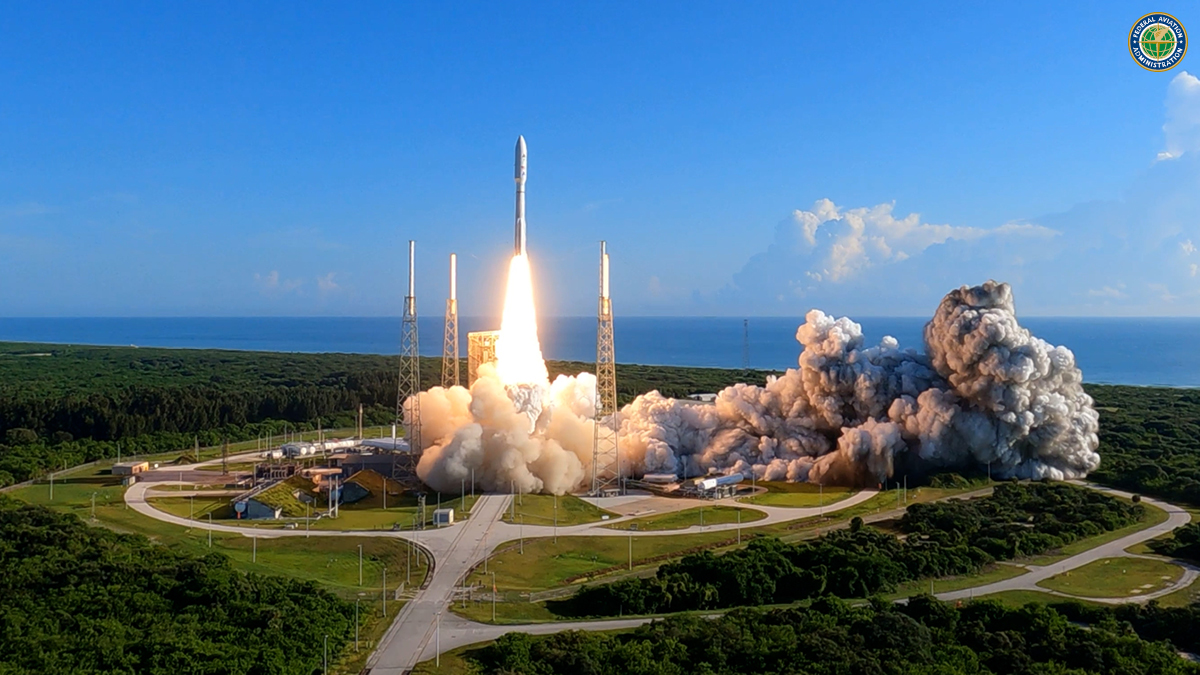
Many of us have witnessed on TV – or even from a distance in person – the tense countdown excitement of “3, 2, 1, Liftoff!” A rocket launches from Earth and ascends for miles and miles through the atmosphere and into space – a remarkable feat that epitomizes human ingenuity.
The commercial space industry is growing at a record pace with rockets launching multiple times a week. The FAA has ensured public safety during about 1,100 commercial space launches since 1989.
The FAA’s work to support this booming industry and ensure safety of the public – on land, in the air and on the water – is a major undertaking. A key to success is the behind-the-scenes work FAA space transportation safety inspectors perform before flight controllers can say, “We are go for launch.”
Let’s look at the top five pre-launch tasks they conduct to keep you safe before every FAA-licensed commercial space launch.
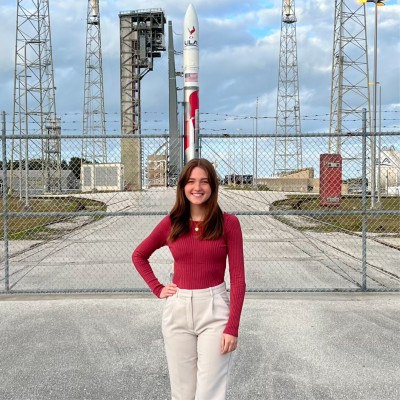
- The Inspection Plan. The FAA uses a risk-based inspection approach involving factors such as the rocket’s flight history and the mission profile to determine the level of inspection activity. New and unproven rockets require different and more in-depth oversight than rockets that have a demonstrated history of safety and reliability. “There’s a standard plan we follow for all launches, but for example, if it’s a rocket’s first flight since a mishap, there are many more things we look at,” said Marcus Ward, who manages more than 30 inspectors from the FAA’s Commercial Space Transportation office. Inspectors are stationed across the U.S., with safety oversight at sites including Florida’s Cape Canaveral Space Force Station and California’s Vandenberg Space Force Base. “There’s a list of corrective actions they must take to return to flight and to ensure that return to flight is safe.”
- Ensuring License Compliance. An inspector uses an extensive pre-launch checklist to make sure the operator complies with terms of its FAA-authorized license and works directly with the operator to ensure various safety-related documentation is submitted on time, such as mission-specific payload and flight information, insurance coverage and collision of objects already in orbit. “We also verify the hazard areas marked in Notices to Airmen and Notices to Mariners that keep planes and boats outside of specific areas during the launch,” said Carson Gregory, who inspects launches in the eastern U.S. “This is to keep the public safe from hazardous situations.”
- Rocket Safety Checks. A key part of an inspector’s job is to verify various flight-safety-system components of the rocket and make sure they have passed pre-launch testing, including the flight termination system that might be used if the vehicle strays from its intended flight path. “This is one of the key parts we go out and witness,” said Michael Pittman, another East Coast inspector. “We make sure operators are installing the rocket’s safety system properly, and we make sure – on day of launch – that the software used to control it is valid. We have a sound risk-based approach that has been proven over time.”
- Pre-flight Procedures. Inspectors observe simulations and emergency-response rehearsals and participate in operator-led mission readiness reviews. If it is a commercial human space flight mission, inspectors make sure the operator briefs participants on the risks involved and that participants sign the required informed-consent documentation. “You have to plan for the worst-case scenario,” said Jourdan Smith, an inspector for the Central Region, who has supported human space flight missions. “We make sure they know the mitigations if something goes wrong.”
FAA and Interagency Coordination. FAA inspectors in the Commercial Space Transportation office don’t do it alone. They work within the FAA and with other federal agencies to ensure public safety before a launch. Pre-launch coordination regularly occurs with the FAA Air Traffic Organization, the U.S. Space Force, NASA, and the U.S. Coast Guard, among other agencies. Depending on the operation, this coordination begins weeks to months before a planned launch.
Inspectors can be on console for launches—often positioned at the spaceport — and communicate progress during the flight. FAA air traffic professionals monitor launches from the agency’s Command Center in Warrenton, Virginia, making sure the airspace is clear. They publish a Notice to Airmen with Aircraft Hazard Areas that prohibit aircraft from flying in closed airspace. The U.S. Coast Guard publishes a Notice to Mariners to keep boats and other sea vessels out of harm’s way. And if the launch is occurring from a federal range, the U.S. Space Force works closely with the FAA to ensure public safety.
“Everyone has a role to play, and it’s really about staying in communication with each other,” Ward said. “We all work together to keep the public safe.”
Check out our interactive data visualization showing the FAA’s 37 years of ensuring public safety during commercial space launches and reentries.
Related Media
- Elevating Safety for Rocket Launches and Reentries
- The Facts About FAA Commercial Space Oversight
- The Star Power Behind a Commercial Space Launch License