


The Future of Aircraft Propulsion
From Hydrogen to Electric, Cutting-edge Propulsion Systems are Pushing Aviation Forward
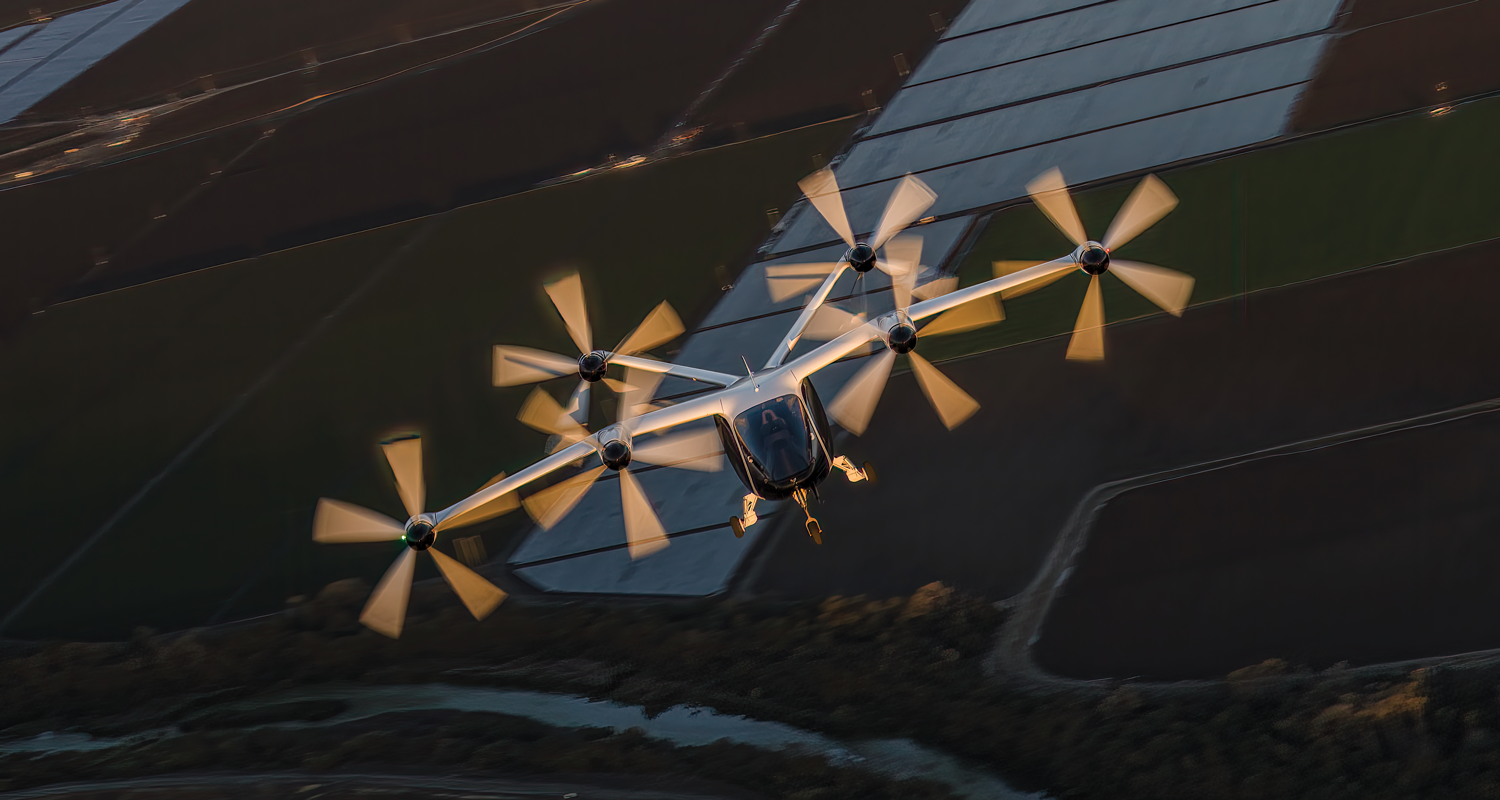
Flight has always been a delicate balance between weight, power, and performance. Our early flying machines were fragile. Their structures were as light as possible, in part, to eke the most performance possible out of the relatively weak and heavy engines of the day. But by the mid-20th century, airplanes had become robust systems capable of doing things that the pioneers could only have dreamed of.
Historically, propulsion technology in general aviation (GA) has advanced less rapidly than in commercial aviation. Even today, many engines are simply improved versions of technology that a mid-century mechanic would instantly recognize. While there’s a lot of value in having a proven, reliable technology basis for such safety-critical systems, a lack of dynamic innovation has been apparent.
With new technologies on the horizon, though, general performance may be changing to our benefit. New and different form factors may now move from science fiction to science fact.
A Changing Formula
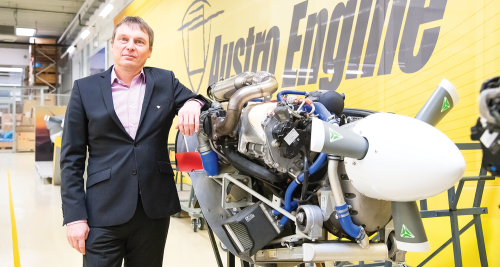
Not all aspects of our future propulsion systems are leading-edge technology. Some of them involve repurposing existing technology. One example is diesel compression ignition. Diesel engines date back to the late 19th century and use air compression rather than a spark plug to ignite the fuel-air mixture in the cylinder. This eliminates the need for spark plugs and their associated systems. Diesel engines are also significantly more thermally efficient than their traditional-fuel counterparts, generating more power per unit of fuel. The downside is additional weight, as higher cylinder pressures often require heavier engine blocks to withstand the increased load. Modern diesel engines intended for general aviation have one key advantage: they can be certified to run on jet fuel. Jet fuel is usually cheaper than 100LL and can offer significant logistical benefits in environments where only jet fuel (or diesel fuel if approved for the engine) is available. In theory, this could allow some of the GA fleet to adopt a widely available, lower-cost fuel with a long-track record.
Electric power is another option that is coming soon to the GA world. A number of GA electric aircraft models are in various stages of development. We have covered a few in our previous issues (Jul/Aug 2021 and Nov/Dec 2018).
Reduced aircraft noise and vibration and increased operational efficiency are among the key benefits of electric-powered GA aircraft. While traditional internal combustion engines provide about 30% thermal efficiency, and diesels can approach 50%, electric motors are usually 95% or more efficient. The downside is that their fuel, or more correctly, their fuel “tanks” are far less energy dense. This means the weight of the battery required for a given flight time is greater than the weight of the equivalent amount of combustion fuel for that same flight time. This is why the initial market targeted by electric aircraft is usually for flight training and short-hop air taxis. The shorter flight duration and breaks between lessons, along with the concern about lower operating costs, make it a logical first step. Depending on electricity costs, pilots could see fuel costs per hour drop dramatically, as one prototype aircraft projects an 80% reduction.
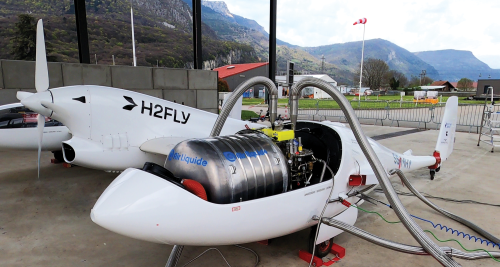
Hydrogen is another fuel attracting significant research and development attention. There are several advantages to hydrogen fuel, including no direct emissions other than water and heat. While several hydrogen fuel approaches can be used, including direct combustion, hydrogen fuel cells (HFC) are the most promising. Through a chemical reaction combining hydrogen and oxygen, electricity is produced, which is then used to power electric motors and other required systems. While the HFC portion of the aircraft is still in development, the powerplant and other systems can be sourced from existing technologies supporting battery-electric aircraft.
Hydrogen has among the highest energy densities of any fuel, making it desirable to pursue HFC technology alongside battery-electric. HFC-powered electric aircraft could address some of the range challenges of current and even future batteries. But, like any system, there are challenges beyond those normally encountered in technology development. At normal ambient conditions, hydrogen is a gas, meaning you must either compress it or cool it for any practical use as a fuel.
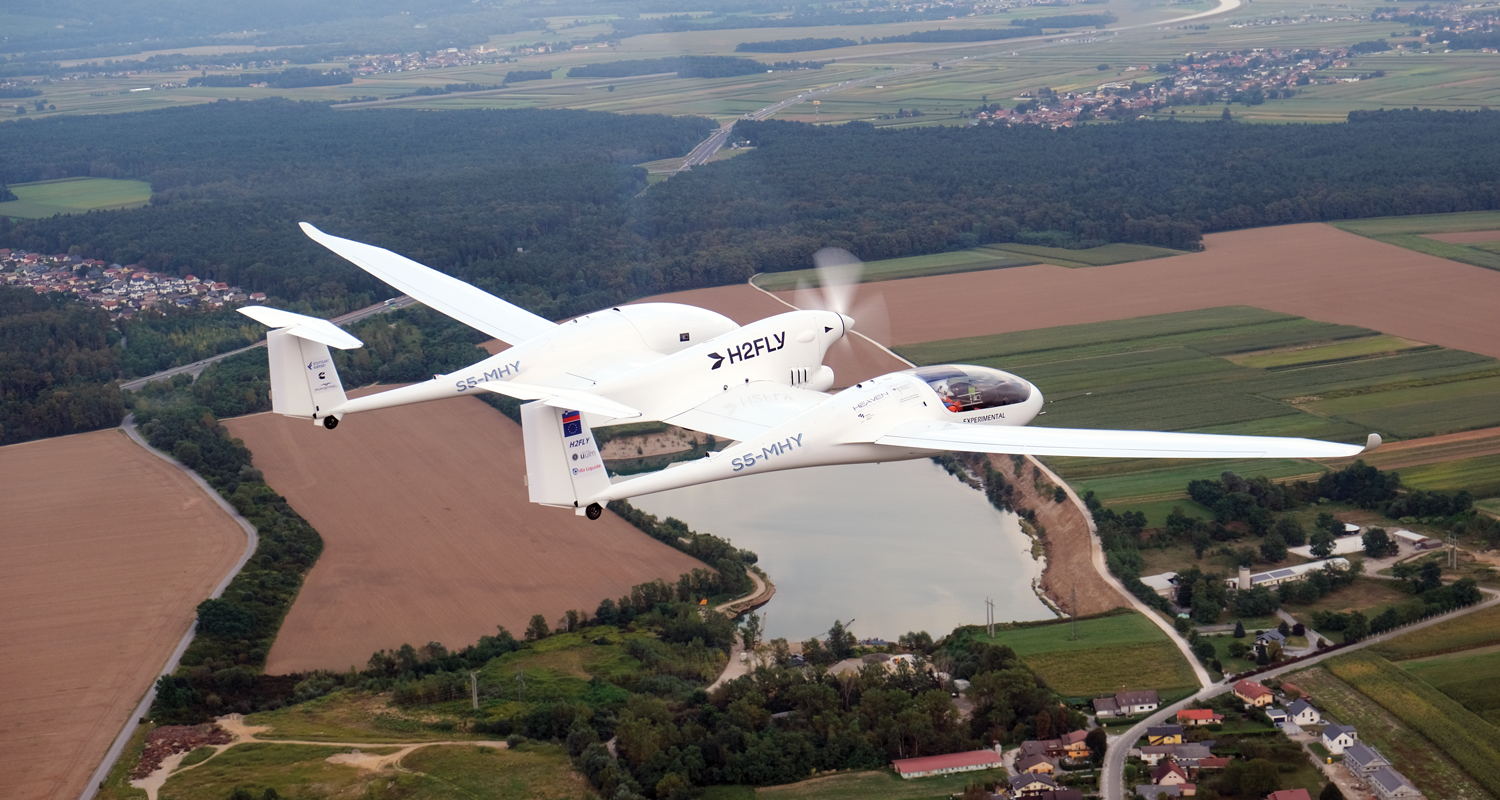
Automotive applications have favored compression, but aviation has experimented more with cooling. This isn’t just a little bit of cooling, though. To liquefy hydrogen, temperatures should be about 20° Kelvin (K), or about -253°C/-423°F. To maintain temperatures around 20°K, fuel is stored in vacuum-sealed insulated tanks, sometimes referred to as a dewar or dewar flask. Because of this requirement, liquid hydrogen is a cryogenic fuel. Cryogenic liquid hydrogen has been used, particularly in rocketry, for quite some time, but it requires special handling. There are long-established safety procedures to address this, but that means refueling isn’t as simple as pulling up to a pump or a fuel truck. Storage is also more challenging, as even the best dewars will still warm over time. This can lead to a slow boil-off of the liquid hydrogen. It’s not a major issue during operations, but for longer storage, it becomes more of a factor. While many challenges still exist, several serious operators are working hard to address them and realize the high potential of hydrogen fuel. These new operators will be flying in areas and at altitudes heavily trafficked by GA pilots, which means there will be some new aircraft shapes to look out for.
The Need for Speed
Another frontier of advancement is speed, more specifically, supersonic flight. We’ve been flying supersonic since the late 1940s, and commercial passengers followed suit in 1976 with the introduction of the Concorde. While the Concorde was a technological marvel, it faced several operational challenges. First, the aircraft was very loud. Whether it was the direct noise from the four afterburning turbojets or the sonic boom created by the aircraft at cruise speed, the noise concerns led to a ban on overland supersonic flight by civil aircraft that will remain in place until the final rule publishes, which is expected next summer. Second, the operational costs were very high due to fuel, maintenance, and other issues.
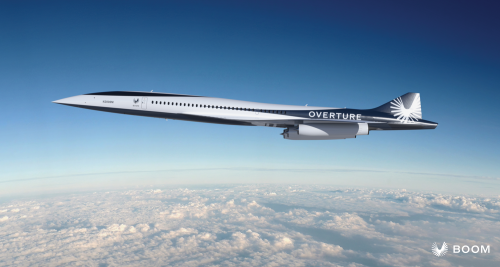
Particularly at higher speeds, the faster you want to go, the more power you need to get there. The Concorde used afterburners to increase thrust for takeoff and to accelerate to a cruise speed of around Mach 2. For an airliner, this is almost unheard of due to the massive increase in fuel flow required. The only other notable example is the Tupolev Tu-144, which coincidentally was the Soviet response to the Concorde.
To address the first challenge, the FAA issued a Notice of Proposed Rulemaking on July 2, 2026, in response to an executive order that would replace the current ban with a performance-based standard to allow the development of quiet, boomless supersonic aircraft. There are several civil projects working towards this goal, using modern technology and design to modify the sonic boom to make it as unperceivable as possible at the
surface.
Removing the regulatory barrier will allow more people to work on addressing operational cost challenges. With advances in materials and engine efficiency, supersonic travel may become more affordable. Supercruise (the ability to cruise at supersonic speeds without the use of afterburners) was a relative rarity in the days of the Concorde’s development. The Concorde could supercruise, but normally used afterburners to accelerate to cruise speed. The irony is that military aircraft would rarely cruise at supersonic speeds, while a civilian airliner would. A notable exception was the SR-71 Blackbird family of aircraft, which had to employ continuous afterburners to do so.

Today’s engine technology enables more aircraft to supercruise, resulting in dramatically reduced fuel burn during supersonic flight. Combined with more sophisticated modeling and design systems, additive manufacturing, and modern materials, the costs of supersonic travel could be reduced to levels much more affordable than in prior generations.
GA applications in this realm are limited, although there have been some proposed business airplanes in the modern supersonic revival. In the future, GA pilots may need to be aware of these aircraft in the NAS, as their unique design may require some specialized operating procedures. Supersonic propulsion could also open up new employment opportunities for pilots looking to advance their aviation careers.
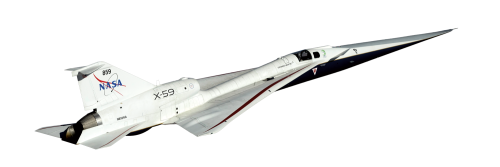
(NASA photo by Jim Ross)
Warp Speed Ahead
With these advancements, along with those in other facets of aviation, we stand at the edge of a potential revolution in aircraft propulsion. We’ve seen several of these before. We entered World War II with biplanes still in frontline service and ended it with operational jet aircraft. Through the 1950s and 60s, jet aircraft went from subsonic to cruising at two to three times the speed of sound. In the 2000s, general aviation saw composite construction grow from a small share of production aircraft to become the best-selling aircraft available today. Now the propulsion systems are catching up. Cutting-edge technologies like electric propulsion are being proven at smaller scales, making them more readily available for adoption in GA aircraft. These new forms of propulsion have enabled aircraft such as tiltrotors and ducted fans that were not practical before. With the rollout of new regulations, like those in the MOSAIC final rule (see this issue’s article Mastering MOSAIC), and the industry’s relentless spirit/pursuit of innovation, more options will be available. The next 20 years could truly be an aviation revolution to remember.
Learn More