


Keeping the Skies Safe for Every Pilot, Passenger, and Future Aircraft
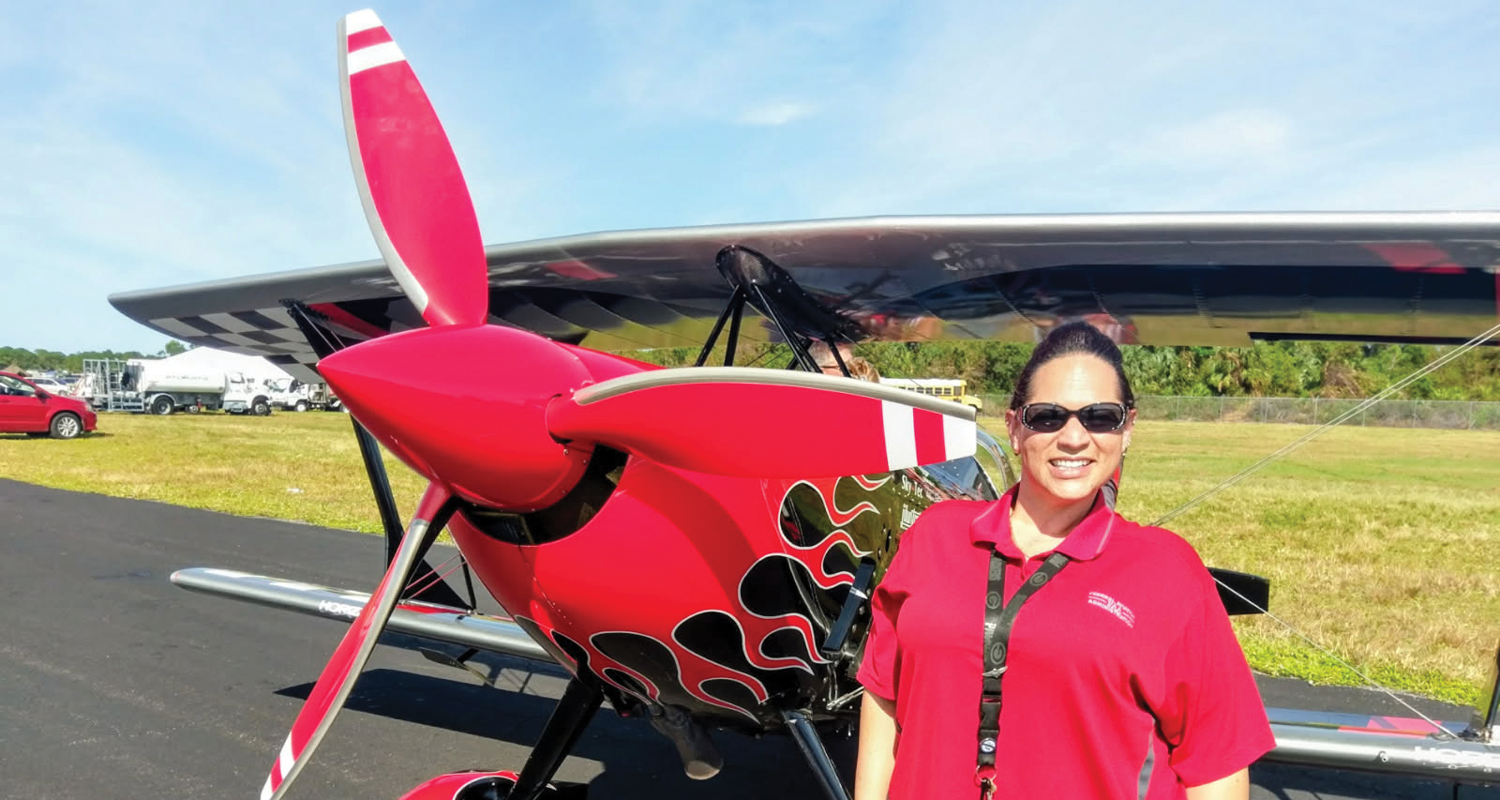
From the flight deck of a Boeing 747 to the cutting edge of advanced air mobility, Laurie Armetta’s aviation journey is driven by a profound love for aircraft and an unwavering commitment to safety.
As a manager focused on advanced air mobility safety assurance within the FAA’s Emerging Technologies Division, Armetta is helping to pave the way for the next generation of flight.
Born in Brooklyn, New York and grounded in her Italian roots, Armetta’s early life was defined by travel, including regular summer trips to visit family in Sicily. Her passion for aviation was ignited at age 5 during a flight out of JFK Airport. Wandering away from her mother upon boarding an Alitalia Boeing 747, she headed straight for the cockpit. Instead of being sent back to her seat, the pilot sat her in the co-pilot’s chair and showed her the flashing instruments. That experience planted the seed for her future in aviation.
When her family moved to Boca Raton, Florida, Armetta pursued every opportunity to get closer to airplanes. At 15, while seeking a flight training scholarship, she began volunteering with local airframe and powerplant (A&P) mechanics. “As much as I liked flying, I learned that I loved fixing airplanes,” she recalls.
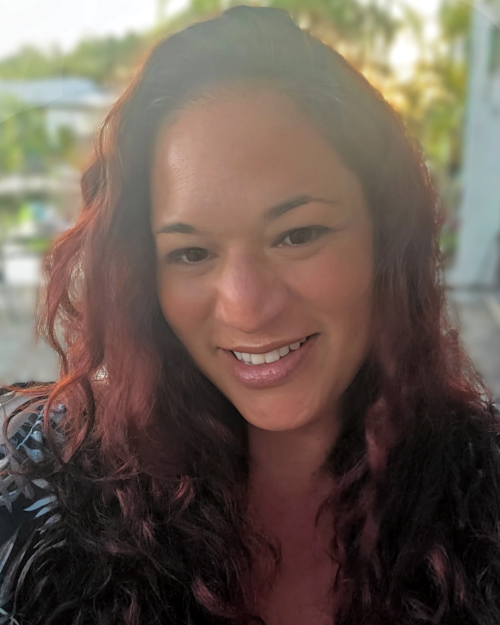
At 17, Armetta joined the Navy as an aviation machinist’s mate, maintaining F-18 engines. After her military service, she earned her A&P certificate and an associate degree in aviation maintenance management. Her career grew rapidly as she worked as a night shift mechanic, chief inspector, and quality assurance inspector for commercial airlines and repair stations. She later completed a bachelor’s degree in aviation administration and ran her own successful aviation consulting firm for six years.
Seeking to make a lasting impact on aviation safety, Armetta joined the FAA in September 2010, taking a position at the Flight Standards District Office (FSDO) in Anchorage. Her time in Alaska was filled with unforgettable experiences, including serving as the principal maintenance inspector for aircraft operating around Denali National Park and experiencing her first glacier landing. She later transferred back to Florida to care for her ailing mother, eventually stepping into a frontline manager role at the South Florida FSDO.
In February 2026, Armetta stepped into her current role within the Emerging Technologies Division’s Safety Assurance Branch, which was established to unify FAA oversight of drones and advanced air mobility (AAM). Today, Armetta’s team manages the transition of pioneering electric vertical takeoff and landing (eVTOL) manufacturers into certificate management.
A major pillar of her current workload is the eVTOL Integration Pilot Program (eIPP), an initiative to safely deploy AAM vehicles into the National Airspace System (NAS). In March 2026, the FAA selected key state departments of transportation and city entities as partners to build out this framework.
“We perform the same duties as a standard FSDO, but our focus is strictly on UAS and integrating revolutionary eVTOL aircraft into the skies safely,” Armetta explains.
Armetta offers clear reassurance — these systems are built with multi-layered safety protocols and are not “flying blind.” She highlights three core concepts for safe co-existence:
- Fly Cooperative: Keeping active transponders or ADS-B Out enabled ensures autonomous aircraft can instantly track traditional planes.
- The Corridor Model: Initial AAM routes will be segregated into specific altitudes and predefined transit corridors, keeping them safely separated from traditional traffic.
- Detect-and-Avoid: Autonomous systems utilize onboard radar, optical vision, and transponders to detect and avoid nearby aircraft faster than human reaction time.
Looking ahead, Armetta envisions a transition from piloted to fully autonomous operations, driven by digital traffic management networks and hybrid-electric propulsion systems. Through it all, her mission remains clear: keeping the skies safe for every pilot, passenger, and future aircraft.