


Making History Every Step of the Way
The Remarkable Life of FAA Office of Commercial Space Transportation Leader Patti Grace Smith
The history she made as a teenager influenced the moral arc of our nation. The history she continued to make as the first leader of the FAA’s Office of Commercial Space Transportation will help extend humanity’s reach throughout the solar system.
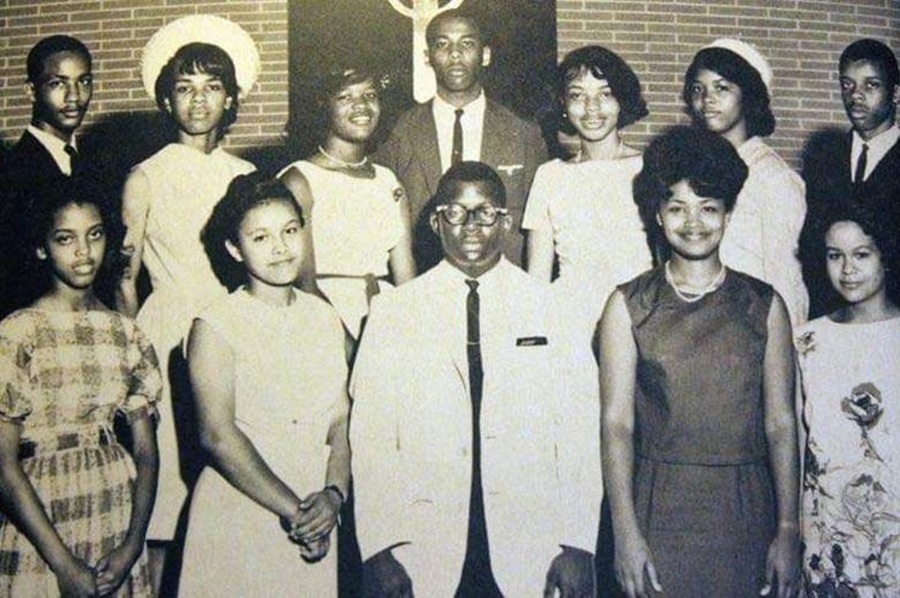
Patti Grace Smith was the granddaughter of railroad workers and tenant farmers and the daughter of an Air Force veteran and Veterans Administration hospital clerk. She was among 12 students in 1963 to successfully file a lawsuit, later upheld by the Supreme Court, against the Macon County, Alabama, Board of Education. Smith and her fellow African American litigants, including her sister Wilma, demanded and won the legal right to attend the previously all-white Tuskegee High School over the objections of then-Alabama Governor George Wallace.
After graduating from high school a year early, she earned a degree in English from the Tuskegee Institute in her hometown. She then embarked on a 28-year career in public service culminating in her pivotal role helping to accelerate the growth of our commercial space industry.
Smith’s previous work at the Federal Communications Commission on satellite communications and as chief of staff for the Department of Transportation’s Office of Commercial Space Transportation, prior to its transfer to the FAA in 1995, prepared her well for heading FAA contributions to ensuring the safety and success of commercial spaceflight activities.
Under Smith’s consensus-building leadership, the FAA played a major role in advancing the licensing, regulation and promotion of suborbital and orbital commercial space launch and reentry activities. During her tenure, Smith oversaw the licensing of the first inland commercial spaceport (Spaceport America near Las Cruces, New Mexico), the first crewed private spaceflight of Scaled Composites’ SpaceShipOne—which she witnessed from California’s Mojave Air and Spaceport in 2004—and the first launches of SpaceX’s Falcon 1 launch vehicle.
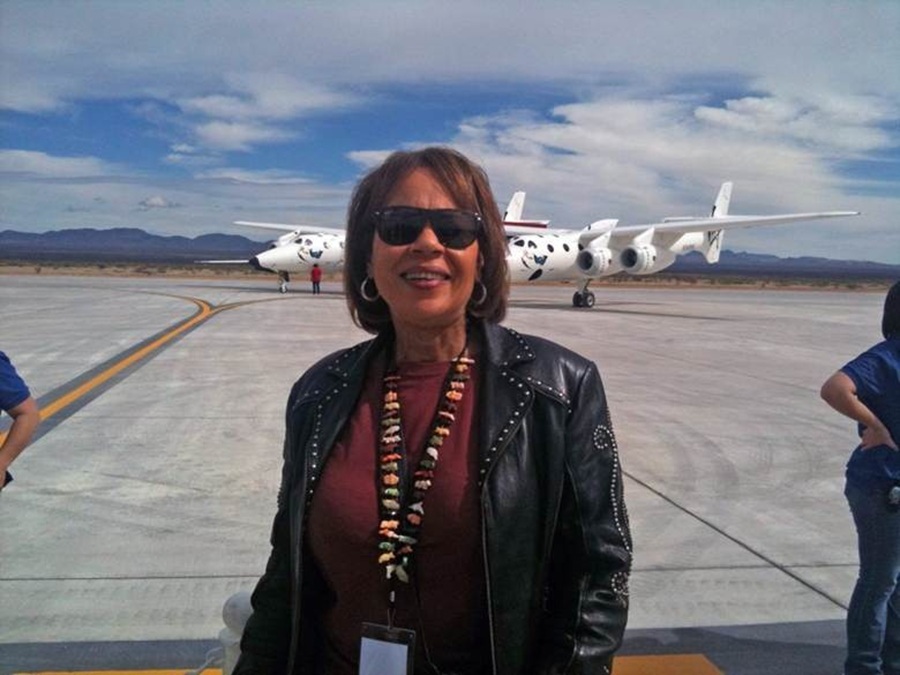
Her vision for the FAA’s role in this emerging field included setting up a model for the safe conduct of private human spaceflight and for commercial space regulation that is now followed by nations around the world. She initiated the FAA program to recognize commercial space pilots and flight crew members who furthered the FAA’s mission to promote the development of vehicles designed to safely carry humans into space. And she spearheaded the effort to bring together her office, the U.S. Air Force and other key government stakeholders to work on common launch safety standards.
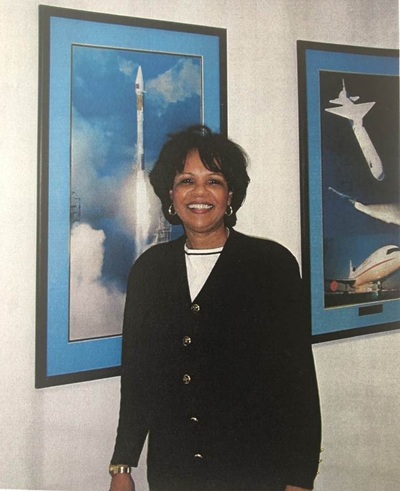
“Patti served at a time when not everyone recognized that the commercial space industry would meaningfully complement the military and civil space programs, but she had remarkable instincts about how the space landscape would be reshaped,” said Dr. Minh A. Nguyen, deputy associate administrator of the FAA’s Office of Commercial Space Transportation (AST). “Patti understood that establishing a solid regulatory framework, but only to the extent necessary, would be critical to industry success while keeping the public safe.”
In addition to overseeing the teams that licensed the first spaceport and the first private human spaceflight, Smith helped advance a number of other rulemaking and licensing firsts, Nguyen said.
“She was a coalition builder who made quite an impact in government, on Capitol Hill and in industry, and years later, she is still remembered in AST as a personable mentor who enthusiastically advocated for her team,” he said.
Following her retirement from the FAA in 2008, Smith continued to serve the aerospace community. She chaired the Commercial Committee of the NASA Advisory Council, served as vice chair of the National Academies’ Aeronautics and Space Engineering Board, was on the Advisory Board of the Smithsonian Institution’s National Air and Space Museum and on the boards of the Space Foundation and American Astronautical Society.
Ten years ago, on June 5, 2016, pancreatic cancer cut short Patti Grace Smith’s life of achievement. Fittingly, her legacy lives on through the Patti Grace Smith Fellowship. It provides a paid internship, scholarship, and executive mentorship to exceptional African American undergraduate students seeking a career in aerospace.
America 250: Patti Grace Smith – Pioneering the Commercial Space Frontier
Throughout the year, we will continue to recognize America's aviation heroes and heritage in celebration of America’s 250th anniversary and highlight great aviation milestones as we look forward to aviation's promising future.