


Steering Around the Storm: A GA Guide to Thunderstorms
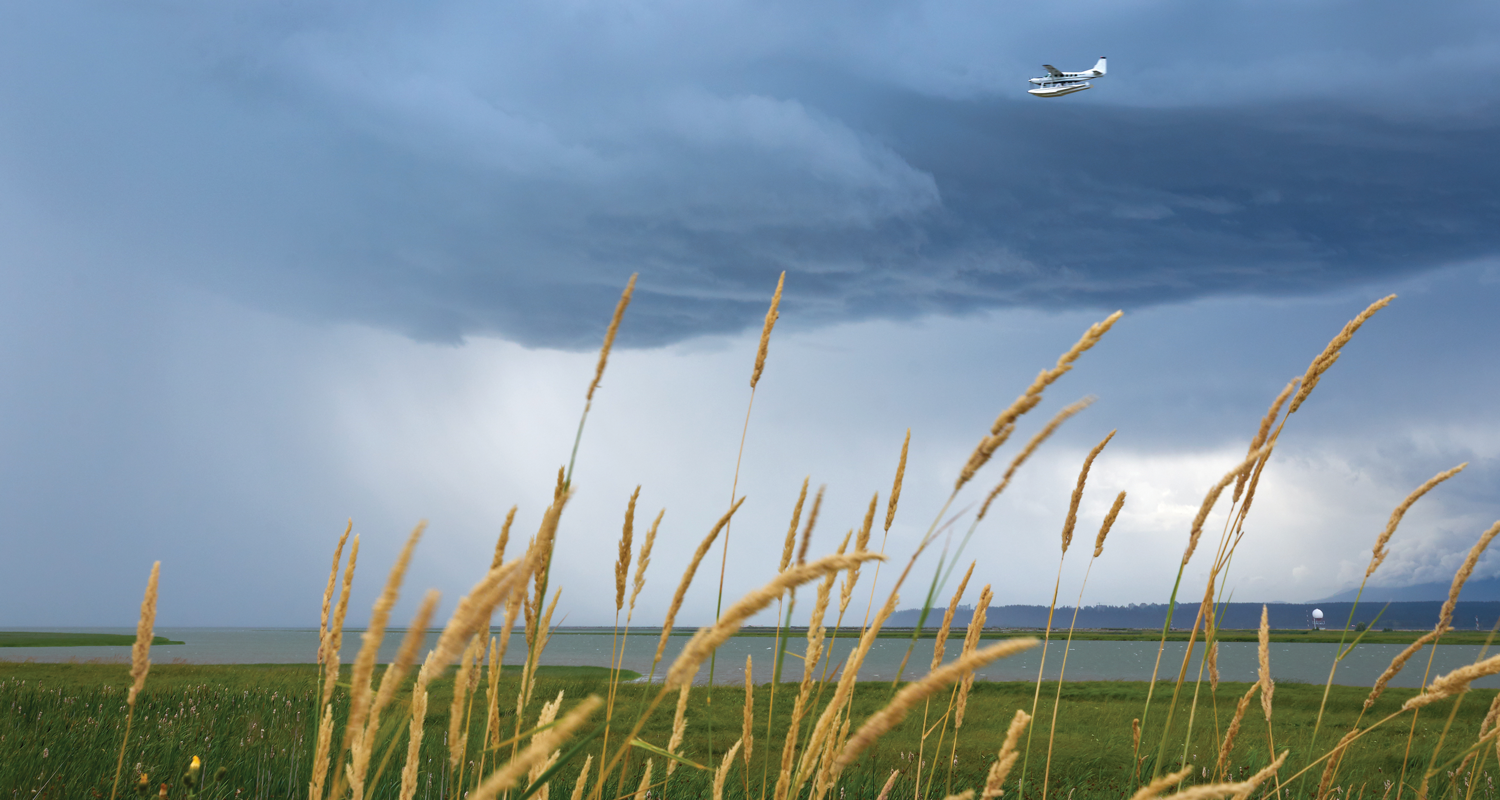
Weather awareness is crucial in general aviation (GA) for several reasons, the primary being safety. Pilots must be mindful of potential hazards, such as thunderstorms, to make informed decisions that ensure the safety of passengers, crew, and the aircraft.
Thunderstorms are a significant weather hazard for pilots due to their complex and severe nature, presenting several risks that can compromise safety. Let’s get a better understanding of thunderstorms, how they impact GA, and how to prepare for them.
Thunderstanding
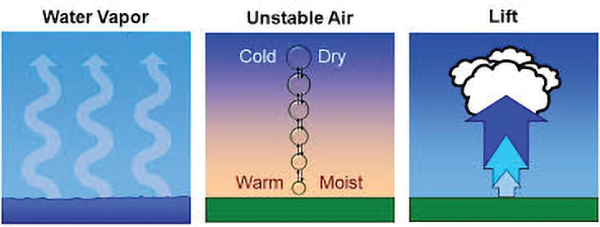
A thunderstorm is a type of storm characterized by lightning and thunder, produced by cumulonimbus clouds. They require moisture, rising unstable air, and a lifting mechanism (e.g., sun heating the ground or a cold front) to form, and are often accompanied by heavy rain, strong winds, and sometimes hail and tornadoes.
There are four types of thunderstorms:
- Ordinary cell (pulse) — consists of a one-time updraft and one-time downdraft.
- Multi-cell (cluster) — form in clusters, with numerous cells in various stages of development merging together.
- Multi-cell (squall line) — forms in a line that can extend laterally for hundreds of miles.
- Supercell — a special kind of single-cell thunderstorm that can persist for many hours.
Each type of thunderstorm goes through three stages: developing (cumulus), mature, and dissipating.
According to the National Oceanic and Atmospheric Administration (NOAA), there are an estimated 14.6 million thunderstorms each year worldwide, and at any given moment, there are roughly 2,000 thunderstorms in progress. On average, there are about 100,000 thunderstorms each year in the U.S. alone, and about 10% of these reach severe levels.
So, it’s important to understand the impact of thunderstorms on general aviation since this weather isn’t uncommon.
Thunderstorms are associated with severe turbulence, which can lead to loss of aircraft control, passenger injuries, and structural stress on the aircraft or inflight break ups of the aircraft. Turbulence within and around thunderstorms is often unpredictable and can range from moderate to extreme.
Downpours can also bring wind shear and microbursts. These phenomena involve sudden changes in wind speed and direction, which can be particularly dangerous during takeoff and landing. A microburst can cause a rapid loss of altitude and can overwhelm an aircraft's ability to maintain controlled flight. And when there’s thunder, there’s lightning. While aircraft are designed to withstand lightning strikes, they can still cause electrical system failures or minor structural damage. Lightning can also disorient pilots and temporarily impair visibility.
Thunderstorms can also create conditions conducive to icing, even during summer, which can accumulate on the aircraft's wings and control surfaces, degrading performance and potentially leading to a stall. Hailstones large enough to damage an aircraft's exterior may also be encountered. Hail can be thrown significant distances from a thunderstorm, often falling in clear air several miles away from the main storm cloud. While generally found within 2 nautical miles of a parent storm, hail can travel about 6 to 18 miles away from the updraft. This can lead to costly repairs and, in severe cases, compromise flight safety.
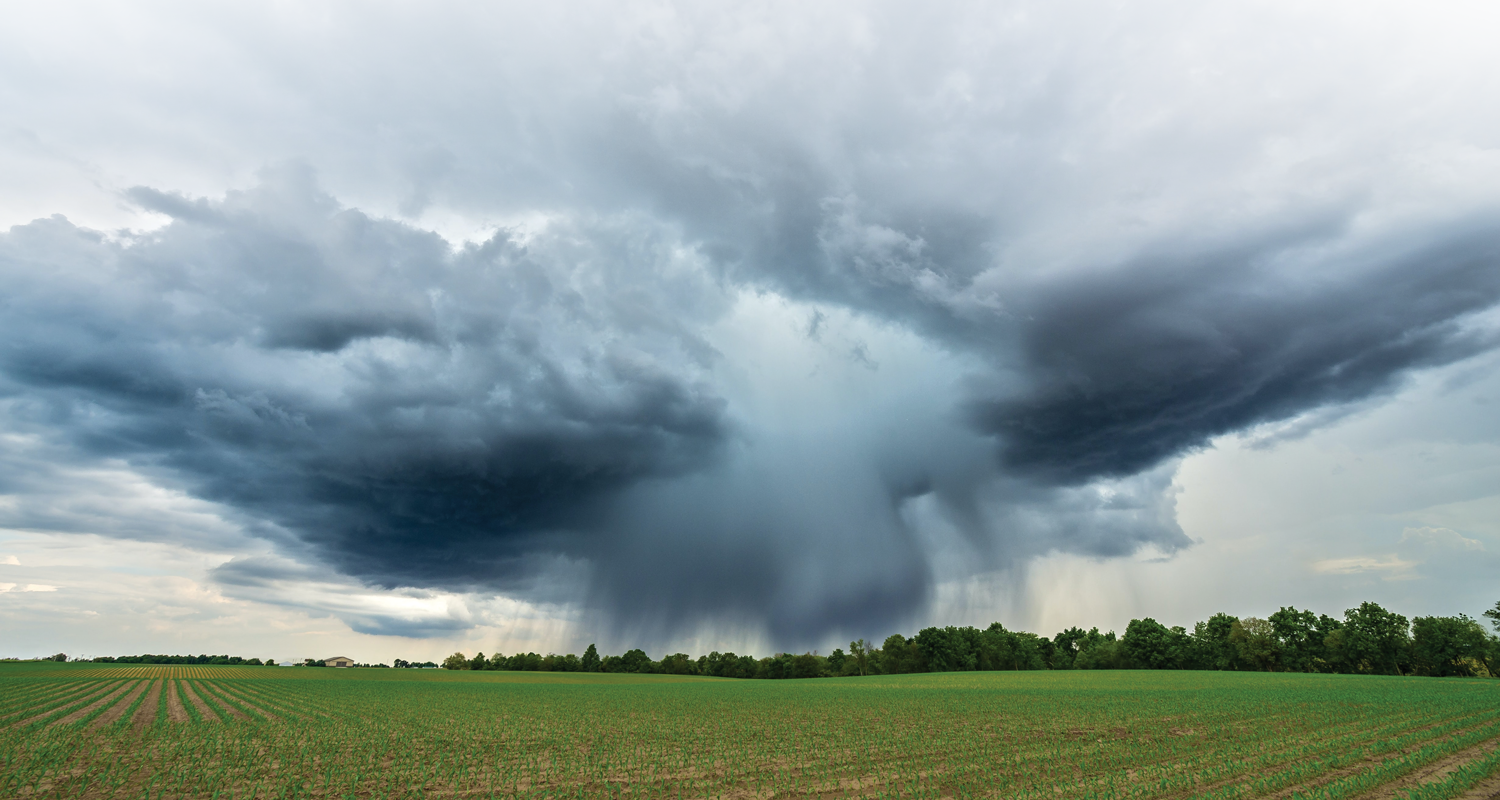
Intense rainfall during a thunderstorm can significantly reduce visibility, making navigation challenging and increasing the risk of spatial disorientation. It can also affect the aircraft's performance, particularly during takeoff and landing. Strong vertical air movements from downdrafts and updrafts within thunderstorms can pose serious challenges to aircraft stability and altitude control, leading to potential loss of control. Heavy rain can also potentially lead to hydroplaning, which could risk a loss of control on the ground.
Thunderstorms can develop quickly and unexpectedly, making them difficult to predict and avoid. This rapid development can catch pilots off guard, especially those without access to real-time weather updates.
Estimating Your Exposure
Weather forecasting and thunderstorm detection are critical components in aviation, enabling pilots to anticipate and manage weather-related risks effectively. Let’s review the tools available to assist with decision-making.
Weather Forecasting
- Meteorological Data Collection: Weather forecasting relies on collecting data from various sources, including weather stations, satellites, radar systems, and weather balloons. This data provides information on temperature, humidity, wind speed and direction, and atmospheric pressure.
- Numerical Weather Models: Meteorologists use sophisticated computer models to simulate atmospheric conditions and predict weather patterns. These models integrate historical data and current observations to forecast future weather scenarios.
- Short-Term and Long-Term Forecasts: Forecasts range from short-term (hourly and daily) to long-term (weekly or monthly). Short-term forecasts are particularly valuable for pilots as they provide up-to-date information on immediate weather conditions.
- Specialized Aviation Forecasts: Aviation-specific forecasts, such as terminal aerodrome forecasts (TAFs) and meteorological aerodrome reports (METARs), offer detailed insights into conditions at airports, including visibility, cloud cover, wind patterns, and potential weather hazards (bit.ly/TAFdata).
- Weather Briefings: Pilots are required to obtain weather briefings before flights. These briefings summarize current and anticipated weather conditions, helping pilots plan routes and make informed decisions.
Thunderstorm Detection
- Weather Radar: Ground-based radar systems are essential for detecting thunderstorms. They can identify areas of precipitation, intensity, and movement, allowing meteorologists to pinpoint thunderstorm activity and track its progression.
- Satellite Imagery: Satellites provide a bird's-eye view of weather systems, capturing images of cloud formations, temperature variations, and atmospheric moisture. This helps in identifying and monitoring thunderstorms over large areas, including remote regions.
- Lightning Detection Networks: Specialized networks detect lightning strikes, offering real-time data on thunderstorm activity. This information is crucial for determining the location, intensity, and movement of thunderstorms.
- Stormscope and Onboard Weather Radar: Some aircraft are equipped with stormscopes and onboard weather radar systems that allow pilots to detect thunderstorms in-flight. These tools help pilots navigate around hazardous weather conditions.
- Air Traffic Control (ATC) Coordination: ATC can provide pilots with real-time updates on weather conditions, including thunderstorm locations and movements. This coordination helps manage airspace and direct aircraft away from severe weather.
However, James Kelly, career helicopter pilot and FAA Principal Operations Inspector-Rotorcraft, cautions pilots to be cognizant of the technology on their aircraft. “Many helicopters and GA aircraft don’t have some of the more advanced avionics in them, like stormscopes and moving map radar. Those aviators need to be even more diligent about preflight weather briefings and route choices.” Kelly urges pilots to “use PIREPs, ask approach/departure or ATC for weather updates, and when possible, use affordable tools like flight planning apps as an enhancement when more advanced avionics are not available.”
Circumventing the Storm
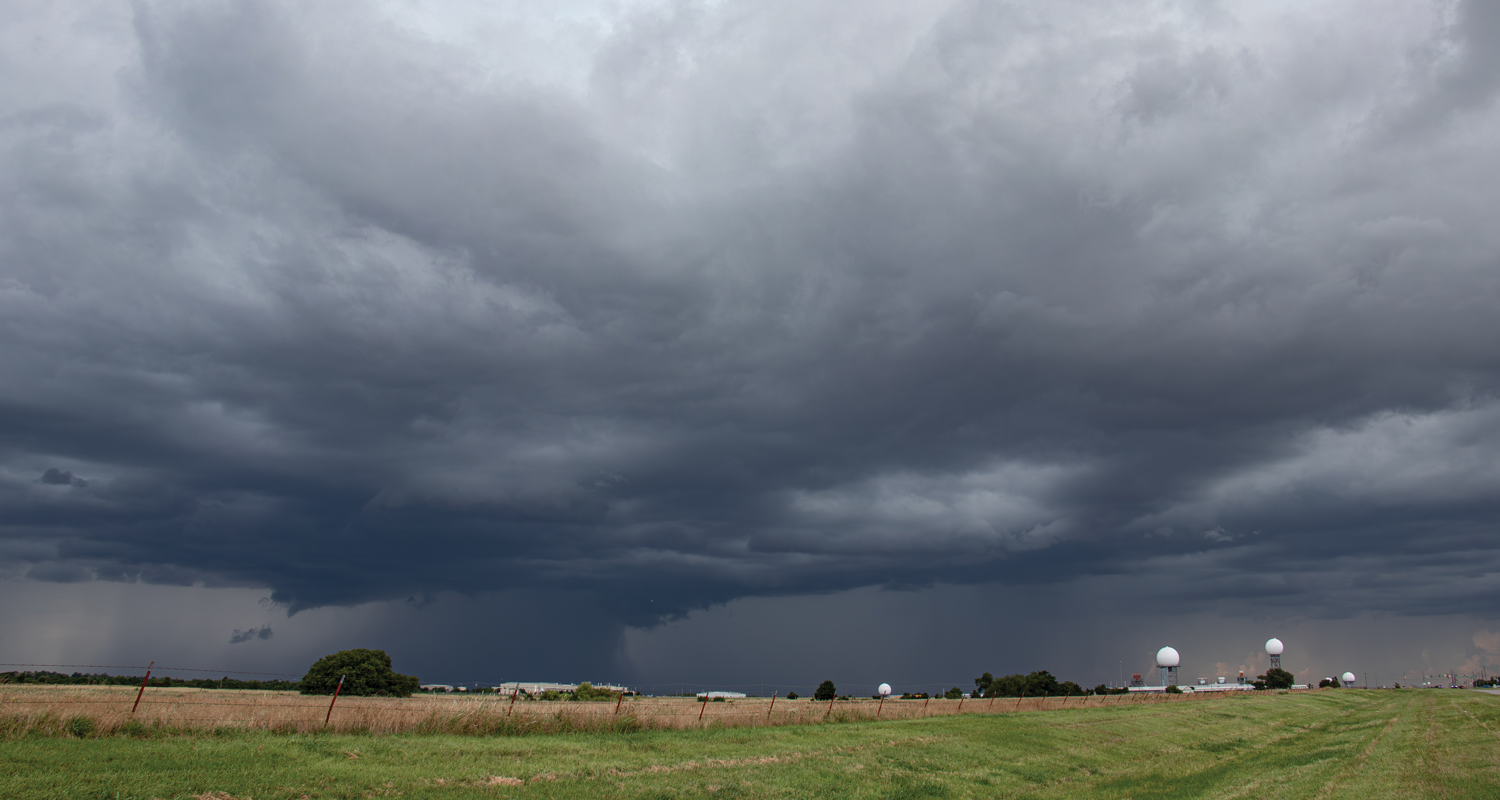
So, what strategies can pilots use to minimize the risk of encountering a thunderstorm? Proper training, pre-flight planning, technology utilization, and vigilant in-flight monitoring and decision-making are key.
Pilots should learn about weather phenomena, including how thunderstorms form, their characteristics, and the conditions that lead to their development. Training should cover how to analyze weather data, interpret forecasts, and understand the implications of various weather reports, like METARs and TAFs.
Pilots also need to be equipped to assess the risks associated with flying near thunderstorms and make informed decisions about whether to proceed, delay, or divert. And they should practice techniques for maintaining control during severe turbulence, including reducing speed and using instruments to maintain orientation. Flight simulators can be used to create realistic scenarios involving thunderstorms, allowing pilots to practice handling turbulence, reduced visibility, and system malfunctions in a controlled environment.
Regular updates and refresher courses on weather and thunderstorm avoidance should be part of recurrent training, ensuring pilots stay current with best practices and technological advancements. Pilots can also benefit from reviewing case studies of thunderstorm encounters and discussing experiences with peers to gain insights and improve their own preparedness.
Before every flight, pilots should obtain a comprehensive weather briefing that includes forecasts and current conditions. Understanding the potential for thunderstorm development along the planned route is essential, and alternate routes with safer weather should be considered if the original path looks questionable.
In flight, take advantage of the technology available to detect thunderstorms and assess their intensity and movement. Leverage real-time weather apps and services that provide updates and alerts on thunderstorm activity but be cognizant that weather display data can be 15 to 20 minutes older than the age indicated on the screen. This latency means, in fast-moving weather, the display shows where dangerous weather was, not where it currently is. Also consider using a stormscope to detect lightning activity, providing additional information on the presence and proximity of thunderstorms. As a general guideline, maintain at least a 20-nautical mile distance from thunderstorms to evade severe impacts. Be prepared to adjust altitudes to avoid turbulence associated with thunderstorms. Flying above the storm's altitude can sometimes be an option, but it's crucial to ensure clearance from the storm's top.
If severe thunderstorms are forecasted or observed, consider delaying or canceling the flight. And be prepared to divert to an alternate airport if thunderstorms are encountered en route. Pre-identifying potential diversion airports is part of good pre-flight planning.
In-Flight Encounters
Despite using the strategies previously mentioned, weather happens. Encountering a thunderstorm in-flight can be challenging and requires prompt, decisive action to ensure safety. If you find yourself in this situation, be sure to:
- Focus on flying the aircraft and keeping it stable. Use the autopilot if it's capable of handling turbulence and helps maintain control.
- Avoid making abrupt or large control inputs. Maintain a steady attitude and allow the aircraft to ride through the turbulence rather than fighting it.
- Slow down to the recommended turbulence penetration speed (Va). This speed is typically lower than cruise speed and helps minimize structural stress on the aircraft.
- Concentrate on keeping the wings level. Avoid turning to prevent increased load on the aircraft structure during turbulence.
- Rely on instruments for navigation and maintaining flight parameters, especially if visibility is reduced. This helps prevent spatial disorientation.
- Be prepared for strong vertical air currents. Try to maintain a steady altitude but allow for temporary altitude deviations if necessary to maintain control.
- Inform ATC of your position and situation. Request assistance or rerouting if necessary. ATC can provide updates on weather conditions and guidance on navigating around the storm.
- If equipped, use onboard weather radar to identify the most intense parts of the storm and attempt to navigate around them, avoiding the storm's core.
- Ensure that all loose items are secured to prevent injury or damage. Brief passengers on what to expect and ensure seat belts are fastened.
- While lightning is unlikely to cause major damage, it can be disorienting. Be prepared for potential temporary loss of visibility or instrument glitches.
- If the situation does not improve or if the storm is particularly severe, consider diverting to an alternate airport. Safety should always be the priority.
- Maintain a calm and focused demeanor. Effective management of the situation relies on clear thinking and adherence to procedures.
Kelly recalls flying a helicopter tour in the Grand Canyon when the weather took a turn. “I encountered a downdraft while trying to climb out of the canyon. With max power applied and at the best rate of climb speed, I could not climb fast enough to exit the canyon. My only option was to circle inside the canyon until we got out of the downdraft, or it moved on.” Kelly stresses the need to remain levelheaded, stating, “staying calm and using practical judgment when your aircraft’s performance is impacted by wind and downdrafts is vital for safety.”
Given the hazards, pilots must exercise caution when thunderstorms are present or forecasted. Proper training and education are essential for effectively preparing for and responding to thunderstorms, but avoidance is the best tactic. By incorporating these strategies, pilots can significantly reduce the risks associated with thunderstorms and enhance the safety and success of their flights.
Learn More
- NOAA Introduction to Thunderstorms
- FAASTeam Pamphlet, Thunderstorms—Don’t Flirt…Skirt ‘Em
- FAA Aeronautical Information Manual, Chapter 7, Section 1
- FAA Aviation Weather Handbook
- AC 91-92, Pilot’s Guide to a Preflight Briefing
- 14 CFR § 91.103, Preflight Action
- “Building Confidence with the Conditions,” FAA Safety Briefing, Jan/Feb 2024
- NTSB Safety Alert SA-017, In-Cockpit NEXTRAD Mosaic Imagery