

There’s More to VLOS Than Meets the Eye
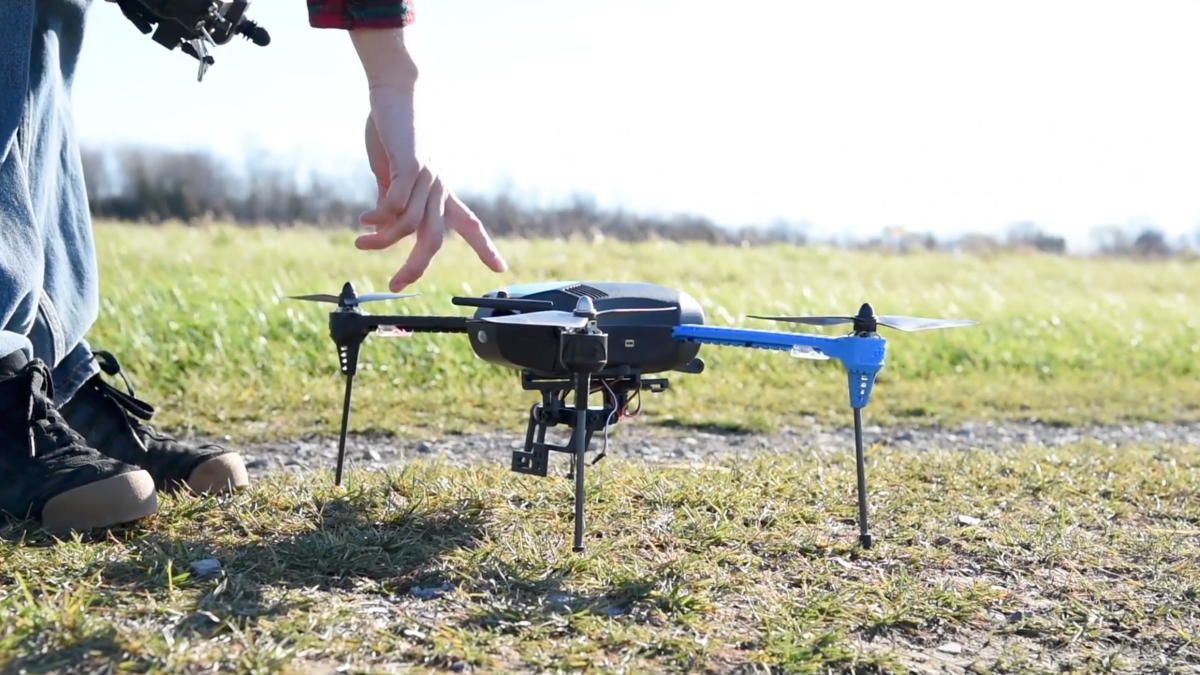
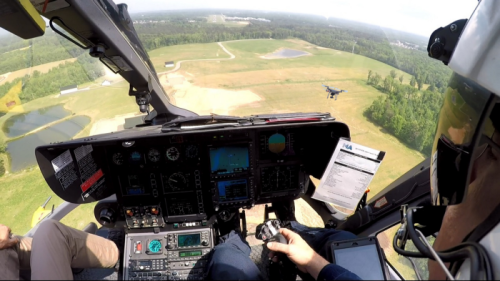
Drones and helicopters regularly operate in the same environments. They perform many of the same operations, often at the same time. It can be difficult for both types of pilots to know when the other is operating nearby. Even when helicopter pilots are aware of nearby drone operations and remain vigilant, it is still very hard for them to spot a drone with enough time to avoid a collision. It is every drone pilot’s responsibility to see and avoid helicopters and all other aircraft, as well as remain well clear of and not interfere with other aircraft operations.
Per 49 USC section 44809, 14 CFR part 107, and 14 CFR part 91, seeing and avoiding other aircraft, especially helicopters, must always be the top priority (along with not causing a hazard to persons or property on the ground). Understanding and complying with the visual line of sight (VLOS) requirements in these regulations is essential. Midair collisions between drones and traditional aircraft remain a top concern. Since 2017, there have been at least 17 confirmed or probable drone collisions with airplanes, helicopters, and hot air balloons, causing significant damage. Most of these incidents happened to helicopters and occurred mainly below 500 feet. Some even occurred in controlled airspace. Investigations conducted by FAA safety inspectors revealed that none of the drone pilots involved in these collisions were in compliance with part 107 VLOS operation requirements, even when they thought they were. When looking for contributing factors, FAA investigations of collisions or near midair collisions found two main types of noncompliance: the pilots were not watching the airspace, or they overestimated their ability to see and avoid a low-flying aircraft.
Responsible drone pilots know they must keep their eyes on the skies and the ground, and not just on the screen. But many of these same pilots don’t know the difference between line of sight — being able to see your drone — and what is considered a compliant VLOS aircraft operation. Being in compliance and flying safely takes more than just the ability to see the drone. Drone pilots must also be able to see enough of the surrounding airspace to be able to react in time to “see and avoid” another aircraft. Reaction time goes down, and risk of collision goes up when drone pilots cannot see down to the horizon in all directions with no obstructions. If visual observers are part of the operation, this applies to them as well. Be aware of hills, trees, buildings, and other objects that obstruct view. Better yet, choose an operating environment free from visual obstacles.
FAA inspectors who investigated midair collisions have also found that even when drone pilots know they are sharing airspace with helicopters, they are still surprised by their sudden appearance. They assume they will hear the helicopter before they see it and have plenty of time to react. Very often this is not the case. A U.S. Navy study determined that it takes, on average, 12.5 seconds for an undistracted pilot to react to another aircraft. In that amount of time, a helicopter flying 115 mph will travel half a mile. This means that even the safest drone pilots still need an operating environment that lets them see down to the horizon in all directions for at least half a mile. When operating near buildings, hills, and other obstacles, necessary reaction time is lost.
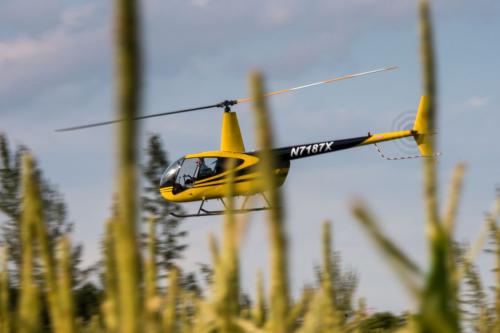
When drones and helicopters share airspace, the safety risk is always higher for the helicopter. Many drones are small and inconspicuous, often blending into the background. So, although helicopter pilots should, and do, familiarize themselves with drone regulations, they are still at a disadvantage when it comes to seeing and avoiding drones. For the helicopter, a collision could lead to loss of control, pilot incapacitation, tens of thousands of dollars in damages or even endanger life and property onboard the helicopter. In the case of helicopter air ambulances (HAA), the stakes are even higher. Jessica Meiris, a Colorado HAA pilot, has had several near misses with drones. “My greatest fear is a collision,” she says. She urges drone pilots to understand all airspace rules and comply with them. When the margin of error is so small and the stakes are so high, drone pilots must do everything in their power to keep the skies safe.
Drone collisions have occurred in rural and urban areas, during the day and at night, and above and below 400 feet. Good flight planning is essential. Make sure every operation is in compliance with all applicable regulatory requirements. Select the best operating location to minimize risk. If an operation must occur near obstacles that obstruct view, have a plan to mitigate the risk. During every operation keep your head up and be aware of helicopters and other aircraft. Keep your drone as low as possible and use bright colors and anti-collision lights (even during the day) to increase its visibility to other aircraft. Expect other aircraft to be everywhere and at very low altitudes. Always stay focused on collision avoidance.
Learn More
- Tips to Avoid Collisions Between Drones and Helicopters, FAA Safety Briefing on Medium
- Part 107 Airspace Authorizations
- What to Know About Drones FAQs
- Small Unmanned Aircraft Systems (14 CFR part 107)
- Recreational Flyers & Community-Based Organizations
Read more FAA Safety Briefing articles, and read more about how the FAA is improving aviation safety in our Cleared for Takeoff blog.