


The Weather Plan You Never Write Down: Understanding Flight Plans, Flight Following, and Search-and-Rescue Services
By Jeff Arnold, Contributing Writer
Most pilots are great at planning the flight they intend to fly.
Pilots look at the weather, choose a route and altitude that make sense, pick a reasonable departure time … and sometimes file a flight plan. But sometimes they don’t. If the weather looks marginal, pilots will glance through alternates and maybe even write down a few airport codes. Even if all looks good, they still check for the usual trouble spots — TAFs (terminal aerodrome forecasts), radar, NOTAMs (Notices to Airmen), etc. It’s a familiar rhythm, and for most flights, it works just fine.
What pilots don’t often consider is that there are two audiences for that flight plan.
The first is obvious: the pilot flying. The weather briefing, route selection, and timing are all tools to help pilots decide whether to go (or not) and how to manage the flight once airborne.
The second audience usually doesn’t enter our thinking at all and only emerges if the flight isn’t completed as planned.
A Routine Cross-Country
Imagine a routine, daytime cross-country flight in a typical single-engine airplane. Nothing exotic. A few hundred miles, good fuel reserves, and no hard schedule on the other end.
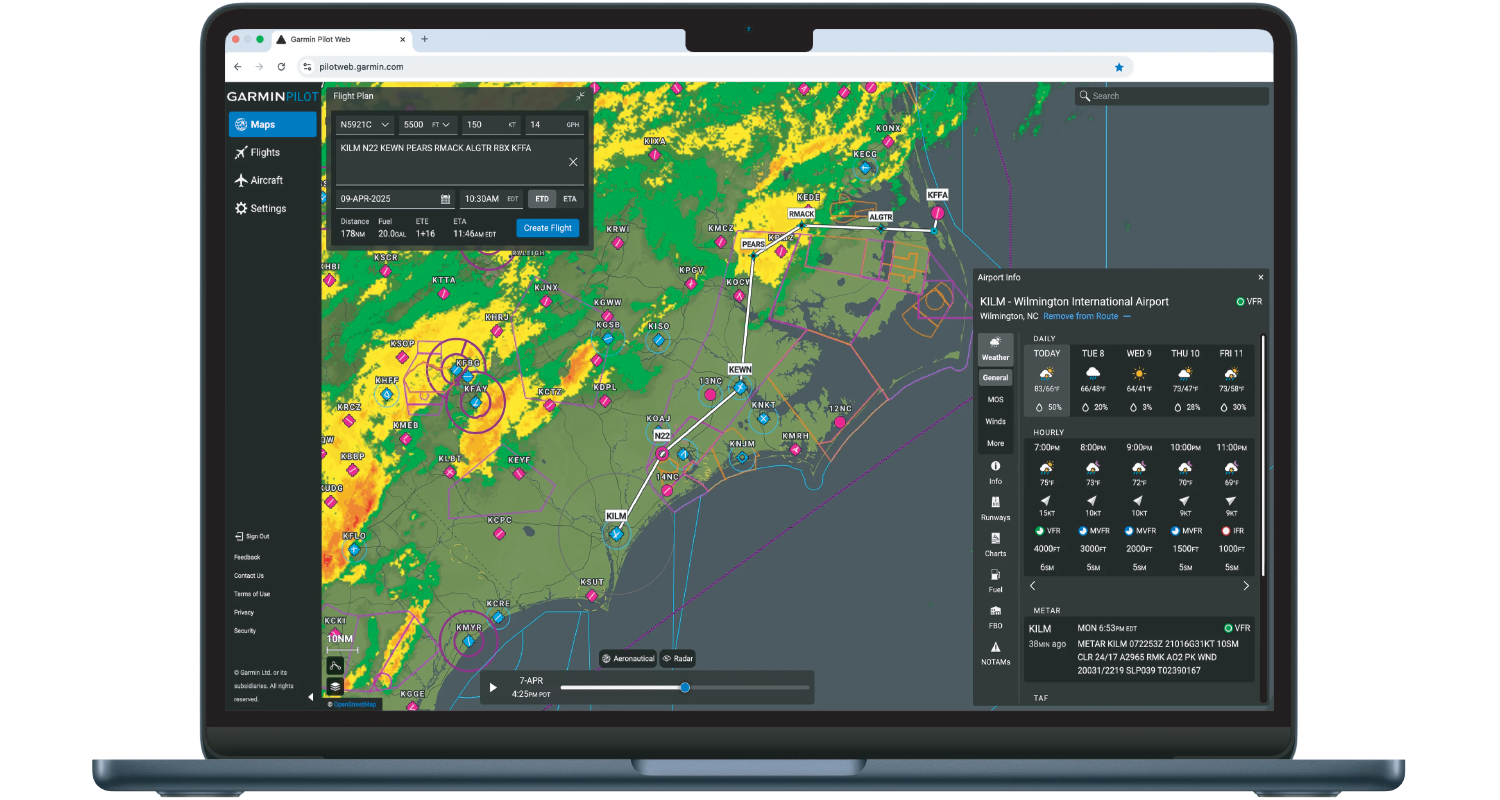
The weather picture during preflight is workable. Not severe, not perfect. There’s a broad system moving through the region, ceilings are trending down later in the day, and some scattered showers are possible along the route, but it’s still VFR (visual flight rules). The forecasts line up well enough to suggest the flight can be completed before things really begin to deteriorate.
The pilot chooses the route with the weather in mind. Staying closer to reporting stations makes sense, and the selected altitude avoids stronger winds, keeping options open. Estimated time en route reflects the winds aloft and the planned route. The pilot identifies an alternate (or two) — not because they’re expected to be needed, but because they’re there.
The pilot files a VFR flight plan, and the picture is clear … at least for now.
At this point, the preflight planning and weather briefing have done their job, and the pilot feels confident supporting a reasonable “go” decision.
VFR Flight Following vs. VFR Flight Plans — What’s the Difference?
Before continuing, it’s worth clarifying some common misconceptions among the pilot community pertaining to VFR flight plans and VFR flight following. Pilots sometimes use the terms interchangeably, but VFR flight plans and VFR flight following serve very different purposes, especially when weather becomes a factor.
VFR flight following is an air traffic service. When workloads permit, ATC (air traffic control) provides traffic advisories, radar identification, and limited assistance. This service can be extremely helpful in busy airspace or during long cross-country flights. What it does not do is establish a pilot’s intent or timing if the flight doesn’t end normally or departs from the intended plan. Flight following typically lasts only from initial contact until the aircraft is at a sufficient distance from the destination that allows the pilot to change to the appropriate frequency for traffic and airport information. If anything happens before contact is established — or after it’s terminated — you could be on your own. If radar contact is lost or a flight never arrives, flight following alone doesn’t trigger initiation of a search-and-rescue activity.

Note that staffing and workload constraints, as well as radar and radio coverage limitations, can sometimes restrict ATC’s ability to provide flight following services. This may result in pilots hearing some version of: “Squawk 1200 and have a safe flight.” Also note that pilots should be specific when requesting flight following to their destination. Many pilots mistakenly believe that just requesting flight following implies coverage to their destination without specifying it.
A VFR flight plan, on the other hand, is exactly what your instructor taught you: a service that exists for one reason — search and rescue (SAR). It documents where the aircraft intends to go, how long the flight is expected to take, and when someone should start asking questions if it doesn’t arrive. When a VFR flight plan is activated, it indicates that you’ve departed and starts the clock. If that clock runs out, Flight Service has a defined baseline to act on.
There’s also an important distinction between filing and activating a VFR flight plan. Filing places a flight plan into the system, but until it’s activated — by radio, phone, or electronic means — it remains a proposal only and will automatically drop out of the system two hours after the proposed departure time. A flight plan that’s not activated provides no protection if the flight goes awry, and no SAR services will be initiated.
Many pilots use both VFR flight plan and flight following services. Flight following can help manage traffic and airspace. An activated VFR flight plan helps to ensure that if weather, time, mechanical issues, or other circumstances intervene, someone knows where the flight was intended to be — and when.
These two services solve different problems. Weather has a way of testing both.
When Weather Starts Editing the Plan
Once airborne, the weather begins to drift slightly away from the forecast. Not dramatically — but enough to require attention.
Ceilings are a bit lower than expected. Visibility varies more than the forecast. A few buildups appear earlier than planned. None of this is unsafe in and of itself, but it nudges the flight away from the neat, straightforward assumption conceived on the ground.
Small decisions follow. A few miles left for better visibility. A slightly lower altitude to stay under a cloud layer. A longer leg than planned to avoid weather over unfamiliar terrain. Gradually, the flight no longer resembles the original plan.
This is where experience matters. The pilot is adapting, staying ahead of the airplane, and keeping the flight safe, legal, and controlled. From the cockpit, it feels like good decision-making.
What’s easy to miss is that the story of the flight is starting to change — and not all of those changes are being recorded.
The Fork
At this point, the flight can unfold in two very different ways.
Path One: The Quiet Update
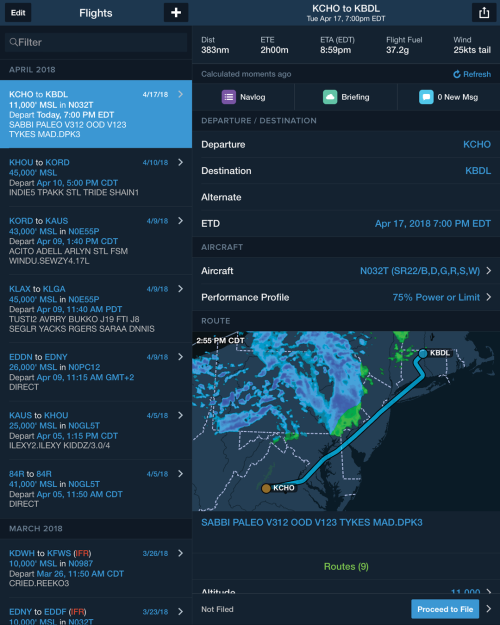
The pilot takes a moment to update their VFR flight plan. They file an amended route or ETA (estimated time of arrival). Maybe a quick in-flight radio call to Flight Service is in order to explain the deviation and confirm the new weather picture. Nothing dramatic — just a small adjustment that reflects reality instead of the original plan.
From the cockpit, this feels almost unnecessary — maybe even a waste of time. The pilot already knows where they are and what they’re doing.
From the outside, however, the story of the flight has just been rewritten to match the changing conditions.
Path Two: The Silent Adjustment
The pilot continues without updating their flight plan. The deviations are manageable, and the destination is still within reach. Filing an amendment feels optional, maybe even inconvenient or cumbersome.
The airplane keeps moving. The pilot stays busy flying and making decisions in-flight.
The original flight plan, however, remains frozen in time — describing a flight that no longer exists.
When the Clock Matters
If the flight arrives safely, both flight paths look the same in hindsight. The differences vanish the moment the engine shuts down, and the pilot closes the flight plan.
If it doesn’t, the differences matter immediately.
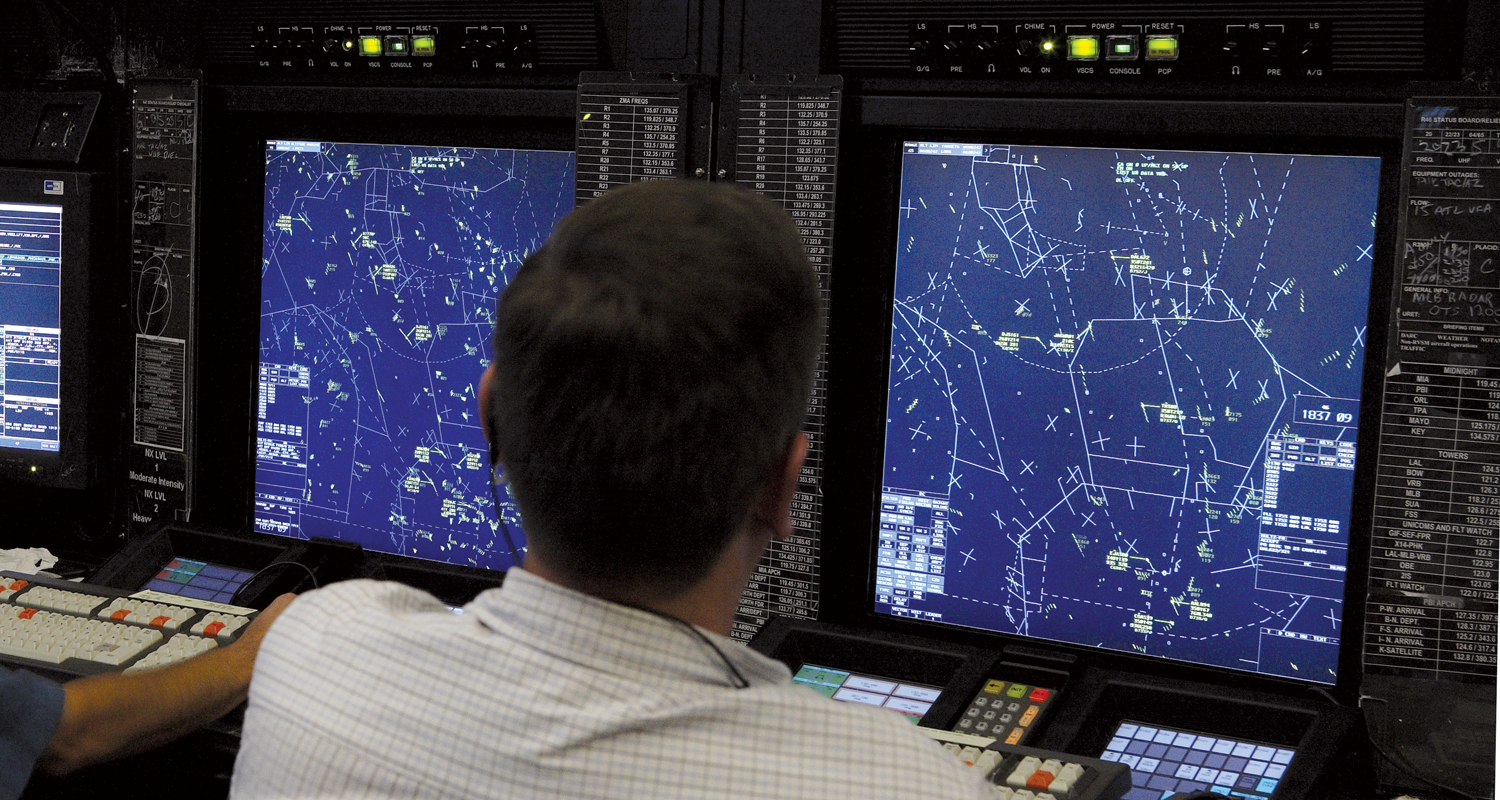
Once an aircraft becomes overdue — typically around ETA plus 30 minutes — the SAR process is initiated. The first questions aren’t dramatic ones. They’re practical:
- Did the aircraft depart and/or arrive?
- What was the intended route?
- What weather was forecast along the way?
- How long should the flight have taken?
- Where did it most likely divert to if weather or mechanical conditions forced a change?
Those answers don’t come from the cockpit. They come from whatever information is left behind.
Weather plays a quiet but central role here. Winds, ceilings, and visibility trends shape where an aircraft might have diverted, descended, or turned back. If SAR resources have a clear picture of what the pilot knew and intended, the search starts with sharper focus and a reduced search radius. If not, the search area grows, sometimes quickly.
When a flight plan was kept current, i.e., when weather-driven changes were communicated, the reconstructed story closely resembles what actually happened. When it hasn’t, searchers are left trying to reconcile real-world weather with an outdated narrative.
That difference can affect where resources look first, how wide the search becomes, and how long it takes for help to arrive.
Case in Point: A Little-known Service
In November of 2025, a pilot flying under VFR without flight following or a flight plan experienced an engine failure and made an emergency landing in a marsh. The aircraft quickly began to submerge. The pilot was able to exit and swim to a nearby embankment, but he couldn’t cross the marsh and was left several miles from any road or structure. With cold seasonal conditions and wet clothing, the threat of hypothermia was real.
A friend watching the flight’s ADS-B track online noticed it abruptly ended in a remote area. Sensing something was wrong, he contacted Flight Service and initiated a “Concerned Party SAR” (a service that, at the time, the friend did not know was provided.) Using the last known position and available flight information, Flight Service specialists worked with the Coast Guard to narrow the search area. The Coast Guard located and rescued the pilot within a few hours.
In this case, there was no flight plan to reference and no automatic trigger for action — only a concerned friend who noticed the track had ended in an unexpected place. That early call was critical to the outcome. In many others, no one is watching. A VFR flight plan is often a reliable way to help ensure that someone is watching.
The Flight You Hope No One Else Ever Flies
None of this necessarily means pilots should plan for failure. It’s meant to emphasize and recognize that weather planning doesn’t end at takeoff and doesn’t belong to just one audience.
Remember that good weather preflight planning supports safe decisions in the cockpit. Clear flight plan updates and timely amendments support everyone else if those decisions don’t lead to a normal ending.
Most flights will never need that second audience. But when they do, the clarity of the story you left behind makes all the difference.
Leave a Better Trail
If you file a VFR flight plan, consider including cell phone numbers for people onboard in the remarks section when practical.
If an aircraft becomes overdue, search-and-rescue teams, including Civil Air Patrol, may attempt to use those numbers early in the process to help determine the flight’s last known location or establish contact.
Jeff Arnold is the Director of Innovation and Outreach for Leidos Flight Service. He is an Oklahoma State University graduate and an active flight instructor. He previously served as a meteorology adjunct instructor at Tarrant County College’s flight program, program manager for two large flight academies, and is a former Flight Service weather briefer and air operations manager.