


The FAA is Ready for Summer Travel Takeoff
Here's how the FAA is preparing for the busy summer travel season.

The annual summer migration is underway. As millions of Americans head out for vacations, family visits, and long-awaited adventures, the FAA is working around the clock to keep the nation’s airspace safe, efficient, and moving.
And this summer, travelers can get a firsthand look at how that work is happening.
The Future of Air Travel Is Coming to a City Near You
Department of Transportation Secretary Sean P. Duffy and FAA Administrator Bryan Bedford recently launched the modern skies web page, a new innovate platform that provides an inside look at the FAA’s progress modernizing the nation’s air traffic control system. The website offers insights on the work being done in your local area to keep travelers safe on the ground and in the air.

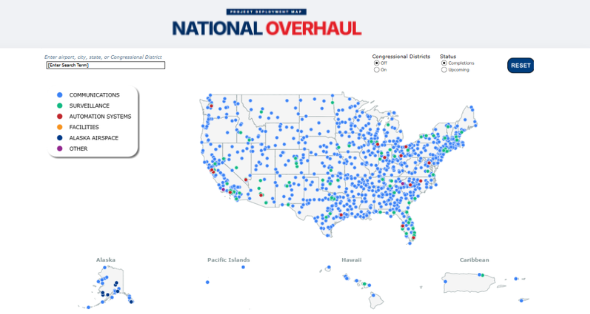
Across the country, the FAA is replacing and upgrading critical infrastructure—from advanced radar systems and telecommunications equipment to electronic flight strips used by air traffic controllers. These investments are helping build a safer, more efficient, and more resilient aviation system for the future.
“The FAA is undertaking the most significant transformation of America’s air traffic control system in generations, and we are committed to being transparent and accountable every step of the way,” said Bedford.
Before You Fly: Pack Smart
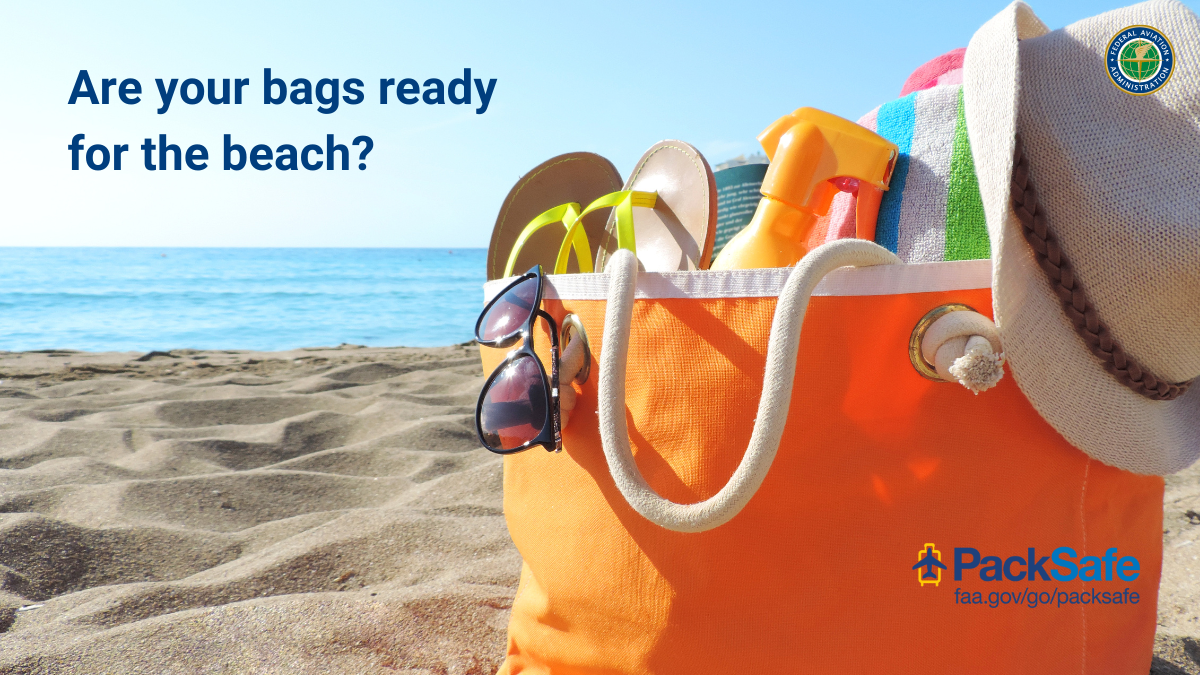
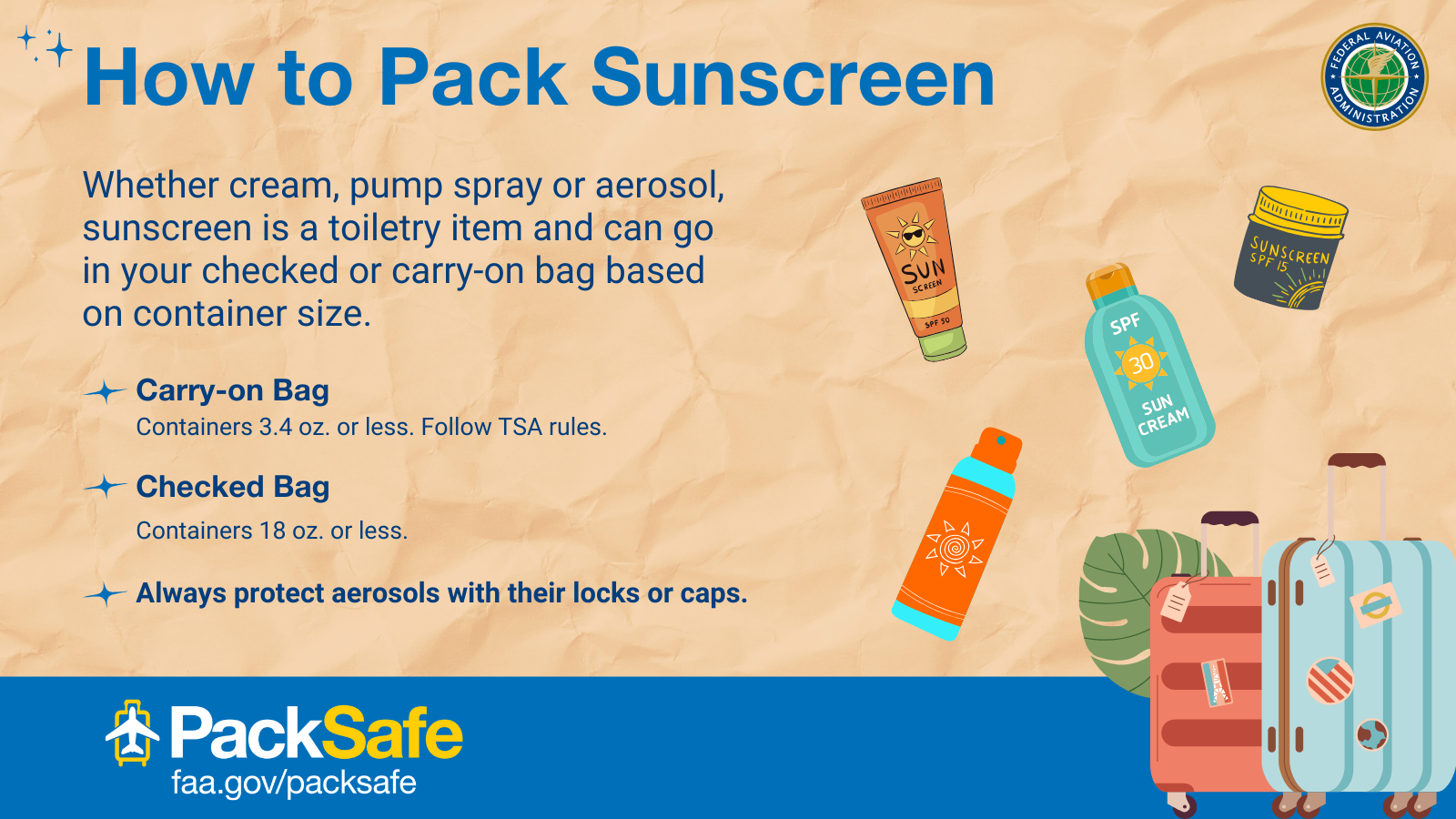
Travelers can do their part to help keep flights safe and hassle-free by reviewing what's packed in their luggage before heading to the airport. Items such as lithium batteries, aerosols, and other potentially hazardous materials may have special restrictions or packing requirements. Most dangerous goods have specific packing guidance and some are forbidden in carry-on and checked bags. The FAA’s PackSafe site provides travelers sound advice on how to pack their items without creating a safety hazard.
Flying with Children
Flying with little ones? Traveling parents should know that the safest place for a small child on an airplane is in an approved child seat, not on your lap. This step is essential to ensure safety, particularly during unexpected turbulence. Children under the age of 2 should fly in an approved child seat based on their weight.
Parents can find additional safety tips and guidance through the FAA’s Kids’ Corner resources.
Real-time Airport Updates for Travelers
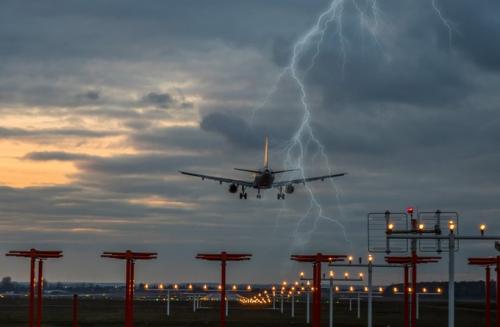
While summer brings busy airports and packed flights, weather remains the number one cause of flight delays nationwide. At the FAA’s air traffic control facilities and Joint Air Traffic Operations Command (JATOC), meteorologists and aviation professionals track weather events and other flight disruptions across the country. Their goal is to help keep travelers informed and the aviation system running safely. Their goal is to help keep travelers informed and the aviation system running safely.
Travelers can see these real-time status updates for their airports on our fly.faa.gov website. Users can get the latest updates on their computers or their smart devices through the FAA’s mobile-friendly version. Remember, the FAA does not cancel flights.
Every Second Counts During Passenger Evacuations

Safety is also key if there’s an emergency during a flight. If passengers are asked to evacuate, they should stay calm and listen carefully to flight crew instructions. Leaving luggage is required when quickly exiting the plane. Remember, save a life, not a bag.
Want to learn more?
Whether you're flying across the country or across the globe, a little preparation can make a big difference. For additional travel tips, airport updates, and helpful aviation resources, visit the FAA’s summer travel website and YouTube playlist.
Safe travels—and enjoy the journey.