

Consultation, Coordination, and Public Notice (Alaska)
In addition to National Environmental Policy Act (NEPA) compliance, when an FAA action involves a resource protected under a special purpose law, the FAA may be required to consult with other appropriate Federal or state agencies to fulfill coordination, consultation, and/or public notice requirements. These requirements are found in Section 106 of the National Historic Preservation Act (NHPA), Section 7 of the Endangered Species Act (ESA), Section 4(f) of the U.S. Department of Transportation Act, and Tribal consultation laws.
 Michael Bartron is the FAA’s Chief Scientist and Technical Advisor (CSTA) for
 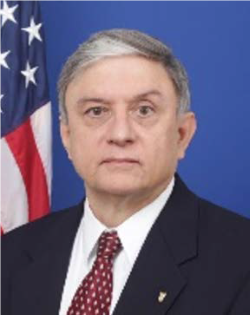 Dr. Edward Johnson is the FAA’s Chief Scientist and Technical Advisor (CSTA) for
 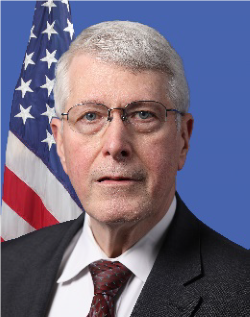 Ken Alexander is the FAA’s Chief Scientist and Technical Advisor (CSTA) for
 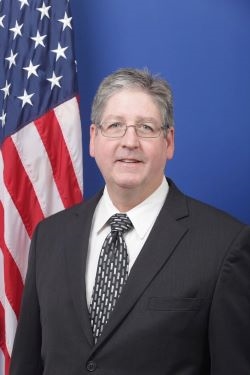 Lance T. Gant is the FAA’s Chief Scientist and Technical Advisor (CSTA) for
 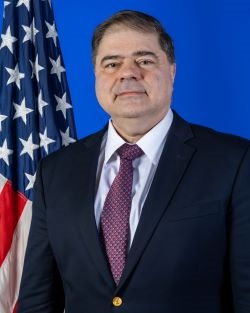 Dr. Catalin Fotache is the FAA’s Chief Scientist and Technical Advisor (CSTA) for