


Pilot Handbooks

Pilot Handbooks are comprehensive resources designed to enhance safety and pilot awareness by providing detailed, airport-specific information. Geared towards General Aviation pilots but valuable for pilots at any level, each handbook covers a wide range of topics to assist pilots during preflight planning and flight operations.
Search From the Flight Deck Content
Key features include:
- Airport-Specific Cautions: Pilots can find important information and graphic depictions describing unique airfield layouts, hotspots, complex taxiway configurations, wrong surface landing and departure risks along with other factors that may impact surface movement and in-flight operations.
- Local Controller Insights: The most unique and valuable aspect of Pilot Handbooks is the direct input from tower air traffic controllers providing ATC services. These professionals share critical information and operational preferences, such as preferred reporting points, common pilot errors, and procedures that help improve safety, communication and efficiency at their facility.
- Airspace Details: Each handbook identifies the surrounding airspace structure and any unique operating requirements or restrictions specific to the airport environment.
- Preflight Planning Resources: Additional information such as available services, local weather patterns, noise abatement procedures, and preferred arrival and departure routes help pilots prepare thoroughly for their flight.
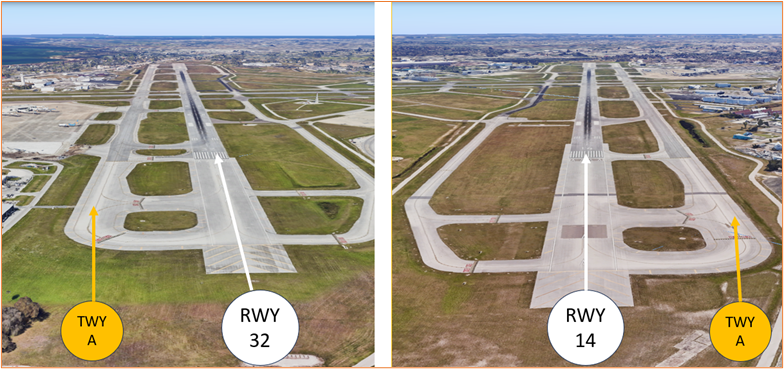
By incorporating exclusive insights from local controllers, Pilot Handbooks offer a unique perspective not found in traditional airport directories or charts. This direct communication ensures pilots are aware of local expectations, common challenges, and best practices, contributing to safer and more efficient operations.
Currently, Pilot Handbooks are available for over 90 airports nationwide, with new editions continually in development. Whether you’re a student pilot or an experienced aviator, these handbooks are an invaluable tool for enhancing situational awareness and supporting safe, informed decision-making at airports across the country.