


Airline Passengers and Batteries
Frequently Asked Questions
The size of the battery matters as not all batteries are safe to travel with; passengers can carry most rechargeable batteries and portable electronic devices, such as laptops, cell phones, vaping devices, and mobility aids, for personal use in their carry-on baggage, provided they meet the watt hours (Wh) restrictions. Rechargeable batteries with a capacity of 0-100 Wh are allowed on passenger aircraft, while those with a capacity of 101-160 Wh require approval from the air carrier, and batteries exceeding 160 Wh are forbidden. Rechargeable lithium battery-powered devices can be checked only if they are completely powered off and protected from accidental activation while still meeting the Wh restrictions above. Spare lithium batteries (including power banks and portable chargers) must be carried on and cannot be checked. There are additional safety requirements and limitations when involving mobility aids; see the chart below for details.
Lithium-ion batteries are required to undergo safety testing. All lithium-ion batteries are capable of overheating and experiencing a process called thermal runaway. Thermal runaway can occur without warning as a result of various factors, including if the battery is damaged, overheated, exposed to water, overcharged, or improperly protected. Thermal runaway can also occur on its own due to manufacturing defects. Flight crews are trained to recognize and respond to lithium-ion battery fires in the cabin. Passengers should notify the flight crew immediately if their lithium-ion battery or portable electronic device is overheating, expanding, smoking, or burning.
Damaged or recalled batteries and battery-powered devices, which are likely to create sparks or generate a dangerous evolution of heat, must not be carried aboard an aircraft (e.g. carry-on or checked baggage) unless the damaged or recalled battery has been removed or otherwise made safe. We recommend contacting your specific airline to see if they offer further guidance on transporting damaged or recalled batteries.
There are no limits for rechargeable batteries under 100 Wh, provided they are for personal use by the passenger. Batteries carried for further sale or distribution (vendor samples, etc.) are prohibited. For lithium-ion rechargeable batteries with a capacity of 101–160 watt-hours per battery, there is a limit of two spare batteries (including power banks and portable chargers) per person. Many airlines, both domestic and international, may have stricter quantity and Wh limits on how many spare batteries (including power banks and portable chargers) each passenger is allowed to travel with, regardless of Wh capacity. Please check with your air carrier for its specific restrictions before traveling.
How do I determine a lithium-ion battery’s watt hours (Wh) rating?
A lithium-ion battery’s Wh should be marked on the battery; if not, you will need to determine the Wh. To deter- mine Wh, multiply the volts (V) by the amp hours (Ah). Example: A 12-volt battery rated to 8 Ah is rated at 96 Wh (12 x 8 = 96). For milliamp hours (mAh), divide mAh by 1000 (to get to Ah) and then multiply by the V.
Batteries Allowed in Airline Passenger Baggage in the US
Based on US DOT regulations (49 CFR, Sec. 175.10). Transportation Security Administration (TSA) security, individual airline, and international rules may, at times, be more restrictive.
| Item | Examples | Info | Carry on | Checked |
|---|---|---|---|---|
Baggage Equipped with Lithium Batteries | Baggage equipped with lithium batteries. | Bags must be carried as carry-on bags unless the batteries can be removed from the baggage. Removed batteries must be carried in accordance to the same restrictions as spare batteries. | YES | YES |
Dry Alkaline Batteries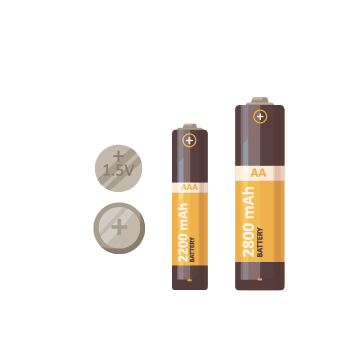 | Most A, AA, AAA, C, D, or button cell batteries | Must be protected from damage and short circuit | YES | YES |
Dry Rechargeable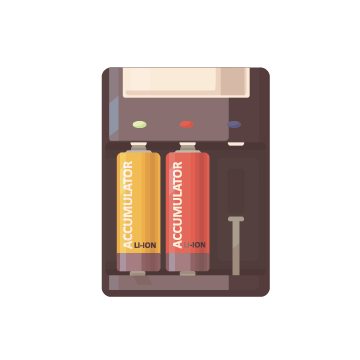 | Nickel metal hydride (NiMH), nick cadmium (NiCad), etc. | Must be protected from damage and short circuit | YES | YES |
Portable Electronic Devices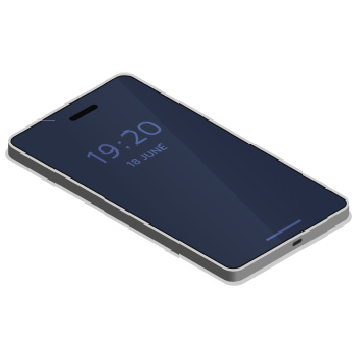 | Lithium-ion powered: cell phone, laptop, tablets, gaming systems, watches, cameras, etc... | The same watt hour (Wh) restrictions for spare batteries apply to these devices. They can only be checked when powered off and protected from short circuit and unintentional activation. | YES | YES (see info) |
Spare Battery or Power Bank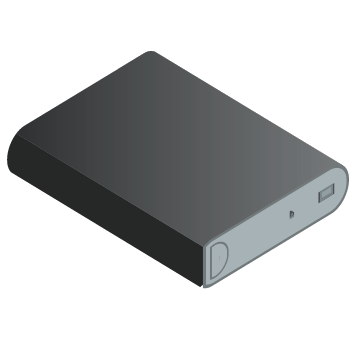 | Lithium-ion powered: power bank, portable chargers, charging cases, cell phone battery, laptop battery, external batteries | Lithium-ion batteries are limited to a rating of 100 watt hours (Wh) per battery. With airline approval, passengers may also carry up to two spare larger lithium-ion batteries (101-160 Wh). Must be carry-on only and protected from damage and short circuit. Many airlines, both domestic and international, may have stricter quantity and Wh limits to include how many power banks/portable chargers each passenger is allowed to travel with, regardless of Wh capacity. Please check with your air carrier for its specific restrictions before traveling. | YES | NO |
Electronic Cigarettes and Vaping Devices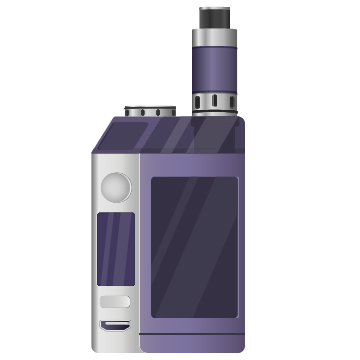 | Lithium-ion battery powered: E-cigarettes (e-cigs), vaporizers, vape pens, atomizers, electronic nicotine delivery systems | Must be protected from damage and short circuit, carry-on only. | YES | NO |
Location Trackers | Air tags, tile tracker | Bluetooth baggage, trackers equipped with lithium batteries are only allowed in checked baggage when containing lithium content not exceeding 0.3 grams, or lithium-ion batteries with a watt hours (Wh) rating not exceeding 2.7 Wh. | YES | YES (see info) |
Lithium Metal Batteries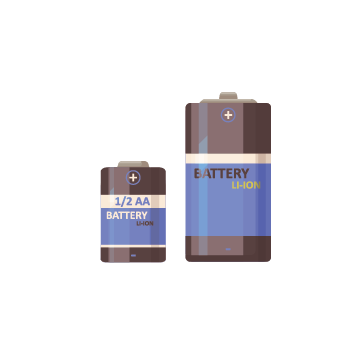 | Non-rechargeable as used in small consumer electronics such as cameras, LED flashlights, watches, etc. | Must be protected from damage and short circuit. Spare batteries can be carried in carry-on only. 2 grams or less lithium per battery. | YES | YES (see info) |
Non-Spillable Wet Batteries (Absorbed Electrolyte)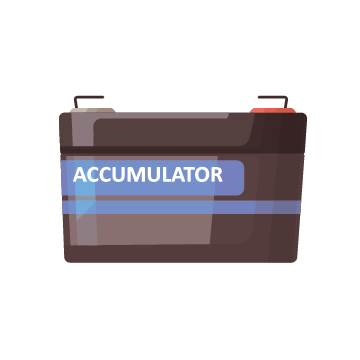 | Used for portable electronic devices, 12 volts and 100 watt hours (Wh) | Must be protected from damage and short circuit and in strong packaging. Battery and outer packaging must be marked "non-spillable." | YES | YES |
Wheelchairs and Mobility Devices with Lithium-ion Batteries that are Not Adequately Protected and Batteries Removed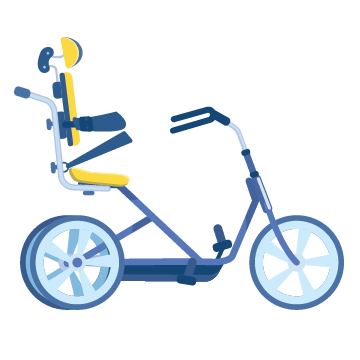 | Electric wheelchair, mobility scooter | Lithium-ion battery size is limited to 300 watt hours (Wh). The lithium-ion batteries must be carried in carry-on baggage only. The passenger must advise the airline of the battery location. Lithium metal (non-rechargeable lithium) batteries are forbidden with these devices. | YES (see info) | NO |
Wheelchairs and Mobility Devices with Lithium-ion Batteries, with Batteries Installed and Protected by Design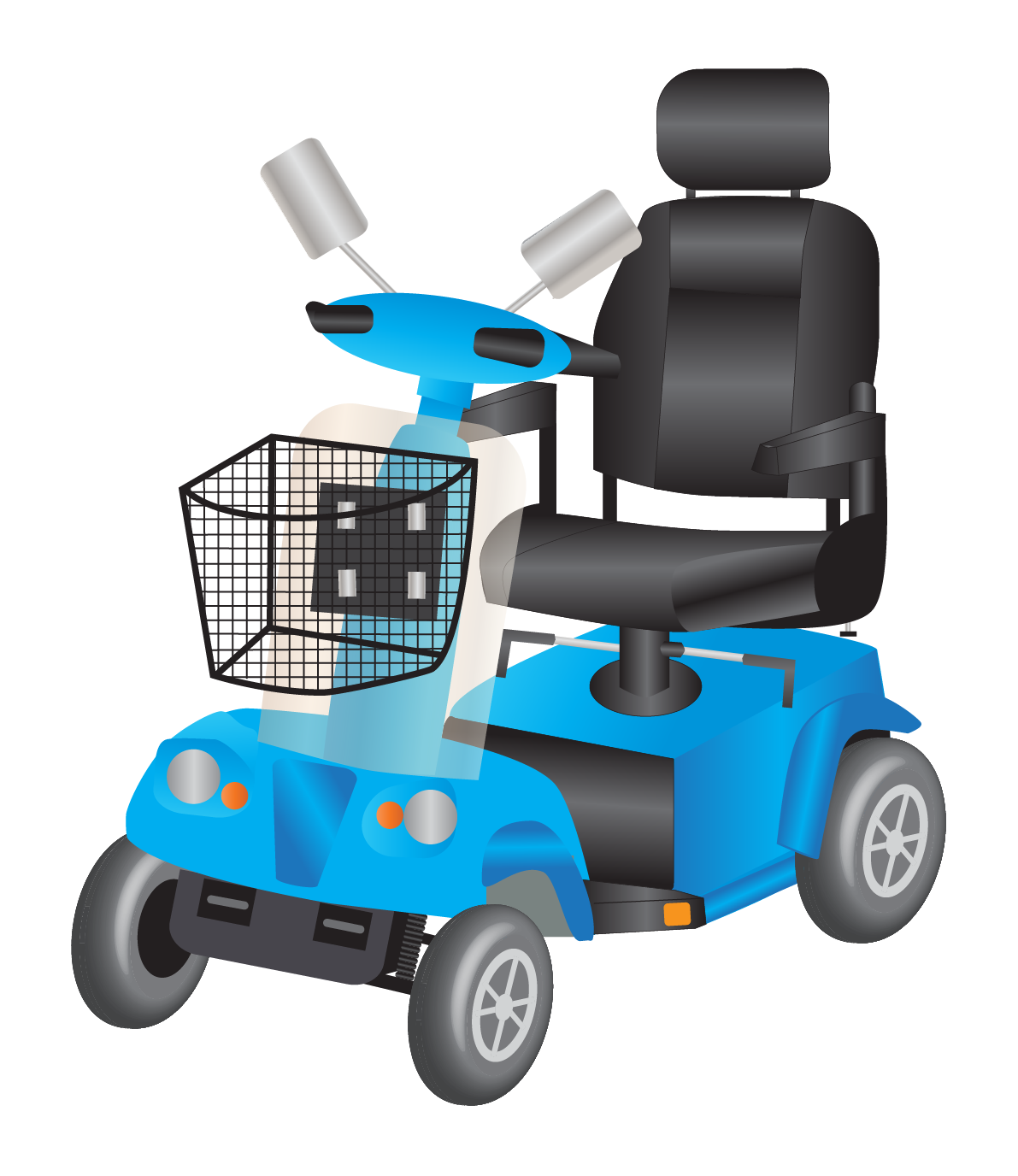 | Electric wheelchair, mobility scooter | The passenger must advise the airline of the battery location on the device. Mobility device with battery installed and not removed must be checked and not carried on. Lithium metal (non-rechargeable lithium) batteries are forbidden with these devices. | NO | YES |
Spare Lithium Battery Wheelchair and Mobility Device Battery 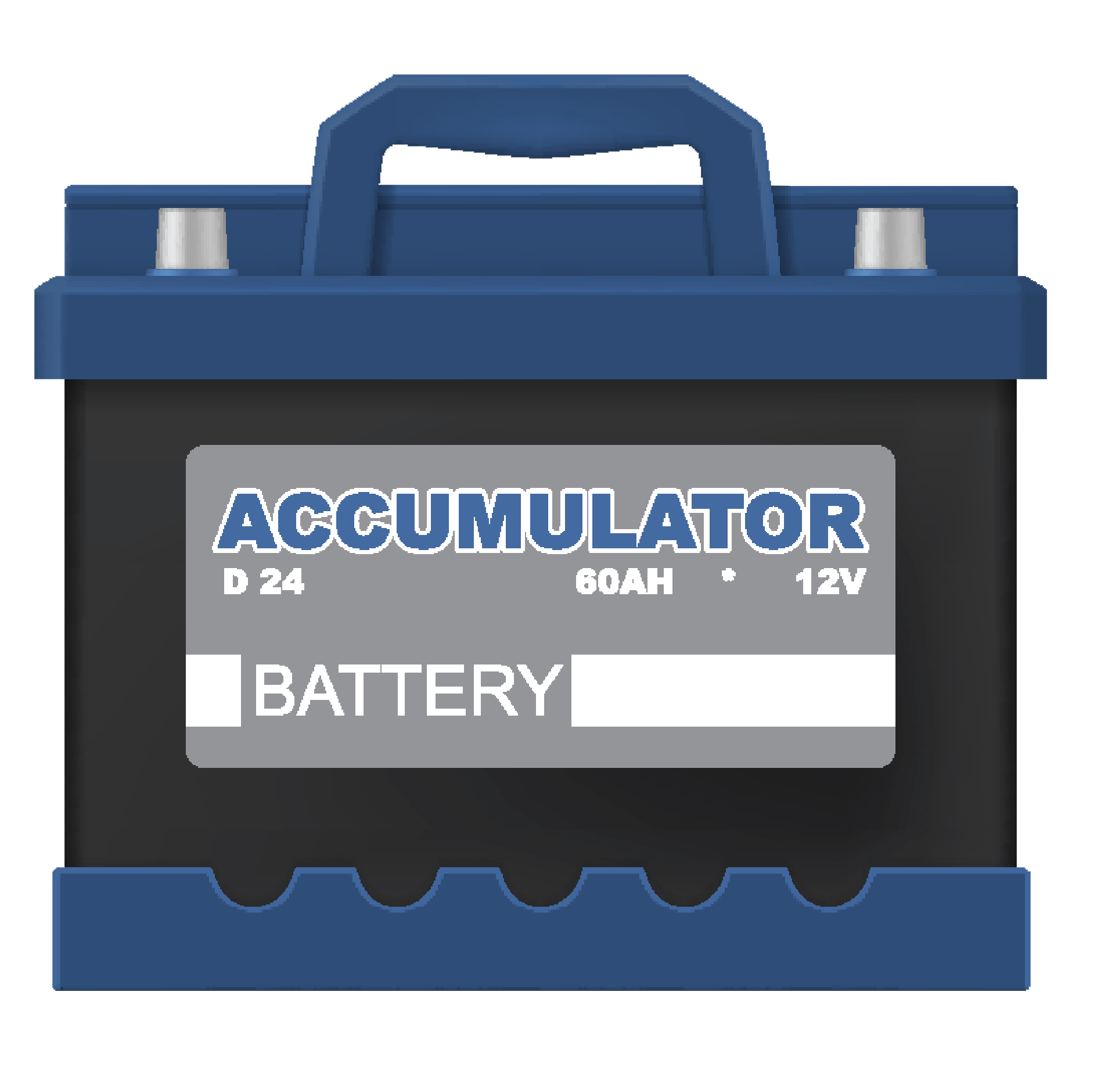 | Spare or removed wheelchair or mobility device battery | A maximum of one spare battery not exceeding 300 watt hours (Wh) or two spare batteries not exceeding 160 Wh each carry-on only. | YES (see info) | NO |
Wheelchairs and Mobility Devices with Spillable, Non-Spillable, or Dry Batteries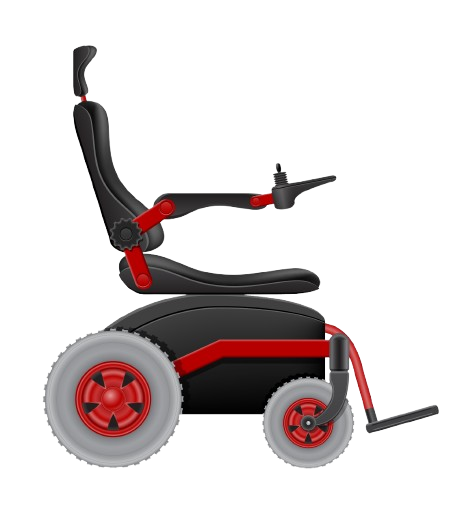 | Electric wheelchair, mobility scooter | For complete passenger instructions contact your airline as advanced arrangements and extra check-in time may be necessary | NO | YES (see info) |
Lithium Battery Powered Generators Image
| Stand-alone generators, back-up generators, part of a solar power system | These exceed the 160 watt hour (Wh) lithium battery limit and are forbidden on passenger aircraft. | NO | NO |
Download a printable version of the information on this page.
For additional passenger resources, see our PackSafe Resources.
For additional shipper & e-commerce resources, see our SafeCargo Resources.
For additional air carrier resources see our OperateSafe Resources.
For additional lithium battery resources see our Lithium Battery Resources.
For questions about traveling with dangerous goods (chemicals, batteries, battery-powered devices, gases, aerosols, flammables, etc.) you may contact the FAA Office of Hazardous Materials Safety at 405-954-0088 or via e-mail at hazmatinfo@faa.gov.