

Why are you here?
- You want to fly a drone just for fun.
- You may be visiting the United States from another country.
(International flyers have extra steps.)
What do you need to do? Fly SMART
To fly for fun, you need to:
- Sign up — Register your drone
- Make it legal — Take the FREE TRUST test
- Always follow the rules — Know the law
- Respect the airspace — Other aircraft fly low too
- Team up — Learn from a drone community-based organization (CBO)
How do you Fly SMART?
- S — Sign up (Register)
- You must register if your drone weighs 250 grams (0.55 lbs) or more.
- M — Make it legal (Take TRUST)
- You are required by law to take TRUST and carry proof when flying.
- Good news: TRUST is free and online.
- A — Always follow the rules
- Recreational flying has rules — see the summary of this webpage below.
- R — Respect the airspace
- Drones are aircraft. Congratulations, you are an aviator!
- Other aircraft CAN & DO fly low — not just near airports.
- Recreational operators must fly their drone within visual line of sight so they can see if other aircraft are near them and safely avoid.
- T — Team up with your community
- Join an FAA-recognized Community-Based Organization (CBO) to learn safe flying habits.
Getting into the Details
There are currently two sets of rules for small UAS.
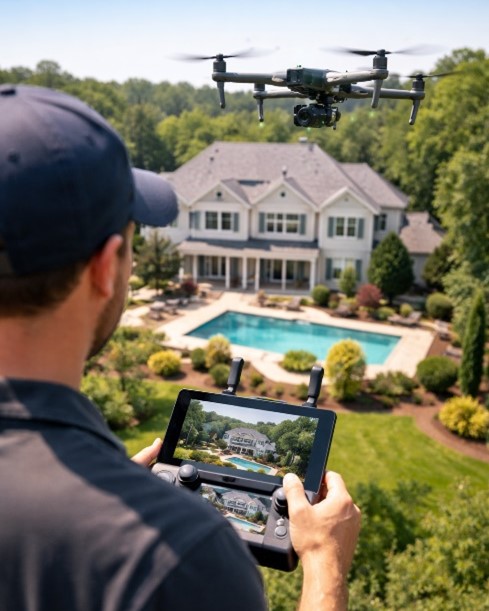 Commercial Operations. The rule for operating unmanned aircraft systems (UAS) or drones under 55.0 pounds in the National Airspace System (NAS) is 14 CFR Part 107, referred to as the Small UAS Rule; this rule enables certificated remote pilots to fly for work or business.
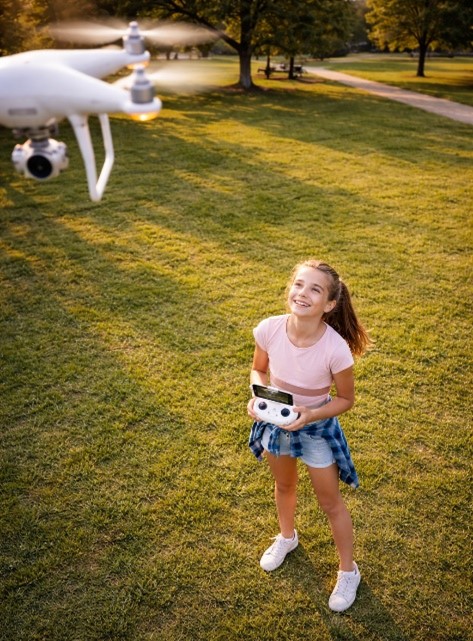 Recreational Operations. If you want to fly a drone for purely recreational purposes, there is a limited statutory exception ("carve out") that provides a basic set of requirements; this is known as the The Exception for Limited Recreational Operations of Unmanned Aircraft (USC 44809).
Recreational Flyers are required to complete The Recreational UAS Safety Test (TRUST) and carry proof of completion while operating.
What is a Recreational Flight?
Many people assume that a recreational flight simply means not flying for a business or being compensated; it is not correct to assume this is the single determining factor. Compensation, or the lack of it, is not what determines if a flight was recreational or not. Before you fly your drone, you need to know which regulations apply to your flight.
Non-Recreational UAS Operations. The default regulation for drones weighing under 55.0 pounds is 14 CFR Part 107. Almost all non-recreational drone flying is regulated by Part 107; read an overview of Part 107 requirements. Other types of flights, such as complex commercial drone operations, agricultural operations, and drones flown for government purposes (also referred to as Public Aircraft Operations [PAO]) may be flown under waiver to 14 CFR Part 91 (and, as applicable, in combination with other rules).
Non-recreational Part 107 operations examples include, but are not limited to:
- taking photos to help sell a property or service,
- roof inspections, and
- taking pictures of a high school football game for the school's website.
Goodwill can also be considered non-recreational. This would include things like volunteering to use your drone to survey coastlines on behalf of a non-profit organization.
Non-recreational Part 91 operations examples include, but are not limited to:
- commercial BVLOS package delivery,
- agricultural spraying,
- law enforcement event monitoring, and
- wildfire response support.
When in doubt, assume Part 107. If you’re not sure which rules apply to your flight, assume you are flying under the Part 107 rule and ensure you meet all requirements of this rule.
Recreational UAS Operations. Congress created the Exception for Limited Recreational Operations of Unmanned Aircraft to allow those flying drones purely for fun or personal enjoyment to operate without complying with Part 107. People flying under this Exception are required to comply with all rules for recreational flyers. See the next section to understand what rules you need to follow when flying under this Exception.
Still in doubt? There’s a tool for that! Not sure what type of a drone user you are? We can help you!
What are the Rules for Recreational Flyers?
The Exception for Limited Recreational Operations of Unmanned Aircraft (USC 44809) is the law that describes how, when, and where you can fly drones for recreational purposes. Following these rules helps keep people, your drone and our airspace safe:
- Fly only for recreational purposes (personal enjoyment).
- Follow the safety guidelines of an FAA-recognized Community-Based Organization (CBO).
- Note: For more information on how to become an FAA-recognized CBO, read Advisory Circular 91-57D.
- Keep your drone within the visual line of sight or use a visual observer who is co-located (physically next to) and in direct communication with you.
- Give way to and do not interfere with other aircraft.
- Fly at or below FAA-authorized altitudes in controlled airspace (Class B, C, D, and surface Class E designated for an airport) only with prior FAA authorization by using LAANC or DroneZone.
- Fly at or below 400 feet in Class G (uncontrolled) airspace.
Note: Anyone flying a drone in the U.S. National Airspace System (NAS) is responsible for flying within the FAA guidelines and regulations. That means it is up to you as a drone pilot to know the rules: Where Can I Fly? - Take The Recreational UAS Safety Test (TRUST) and carry proof of test passage when flying.
- Have a current FAA registration, mark (PDF) your drones on the outside with the registration number, and carry proof of registration with you when flying.
Note: As of September 16, 2023, if your drone requires an FAA registration number it will also be required to broadcast Remote ID information (unless flown within a Federally-Recognized Identification Area, or FRIA). For more information on drone registration, visit How to Register Your Drone. - Do not operate your drone in a manner that endangers the safety of the national airspace system.
Are you visiting the United States from another country? Using a foreign-registered drone? Be sure to check out our page: International UAS Operators in the United States.
Be Safe, Fly Legally
Individuals violating any of these rules, and/or operating in a dangerous manner, may be subject to FAA enforcement action.
Other Resources
- For more information on the Exception for Limited Recreational Operations of Unmanned Aircraft, read Advisory Circular 91-57D.
- Not sure what type of a drone user you are? Try this helpful tool!
- Visit our website or follow us on Facebook or X for the latest safety information, news and updates.
Last updated: